Dust, crumbs, pet hair, and debris settle into your furniture every single day. Sofas, armchairs, and cushions trap far more dirt than most people realize. However, keeping your furniture clean does not have to take up your whole afternoon. With the right tool and a smart approach, you can get the job done quickly and easily.
A lightweight vacuum cleaner is one of the best investments you can make for your home. It is easy to carry, simple to maneuver, and far more effective on upholstery than a heavy full-size machine. Therefore, if you have been struggling to keep furniture spotless, this guide is for you. You will learn how to use a lightweight vacuum to its full potential and develop habits that keep your home cleaner with less effort.
Why Your Furniture Needs Regular Vacuuming
Furniture absorbs more than just visible crumbs. Dust mites, skin cells, pollen, and pet dander all collect deep within upholstery fibers. Over time, this buildup affects indoor air quality and can trigger allergies. Additionally, dirt that sits too long can wear down fabric, making it look tired and faded.
Regular vacuuming prevents these problems before they start. It keeps your furniture looking newer for longer. It also reduces the time you spend on deep cleaning, because surface dirt never gets the chance to embed itself. However, many people skip this step because dragging out a heavy vacuum feels like too much work. That is exactly why a lightweight model changes everything.
What Makes a Lightweight Vacuum Ideal for Furniture
Not all vacuum cleaners are built for furniture. A standard upright model is powerful, but it is heavy and awkward to maneuver around cushions and armrests. A lightweight vacuum is designed for exactly this kind of work.
Weight and Portability
Lightweight vacuums typically weigh between one and four kilograms. This makes them easy to lift and carry from room to room. You can clean an entire sofa without setting the machine down once. Therefore, the task gets done faster and with far less physical effort.
Suction Attachments
Most lightweight vacuums come with an upholstery brush and a crevice tool. The upholstery brush lifts debris from fabric without damaging fibers. The crevice tool slides into the gaps between cushions where crumbs and dust love to hide. Together, these two attachments cover virtually every surface on your furniture.
Cordless Freedom
Many modern lightweight vacuums are cordless. This is a major advantage when cleaning furniture. You are not limited by cord length or outlet placement. Additionally, there is no cord to untangle or trip over. You simply pick up the vacuum and start cleaning wherever you need to.
Low Noise Levels
Lightweight vacuums are generally quieter than full-size models. This is especially useful in homes with children, elderly residents, or noise-sensitive pets. You can clean comfortably during the day without disrupting anyone around you.
How to Prepare Your Furniture Before Vacuuming
A little preparation makes the entire process smoother. Taking just two minutes to get ready will significantly improve your results.
First, remove all cushions and set them aside. This gives you access to the base of the sofa, which is often the dirtiest part. Second, pick up any large debris by hand. Removing coins, toys, or large food items before vacuuming prevents them from blocking your machine.
Third, check the vacuum filter and dustbin before you begin. A full dustbin reduces suction power significantly. Additionally, a clogged filter makes the motor work harder and reduces overall efficiency. Keeping these clean ensures strong performance every time.
Step-by-Step Guide to Cleaning Furniture with a Lightweight Vacuum
Follow these steps to get the best results from your vacuum on any type of furniture.
Step 1: Attach the Upholstery Tool
Start with the upholstery brush attachment. This wide, soft-bristled tool is ideal for the main surface areas of sofas and chairs. It covers more ground per pass and is gentle enough for delicate fabrics.
Step 2: Work in Overlapping Rows
Move the vacuum in slow, overlapping rows across each cushion and surface. Do not rush this step. Slow, deliberate passes pick up far more debris than quick ones. Start at the top and work downward so any dislodged dust falls onto areas not yet cleaned.
Step 3: Switch to the Crevice Tool
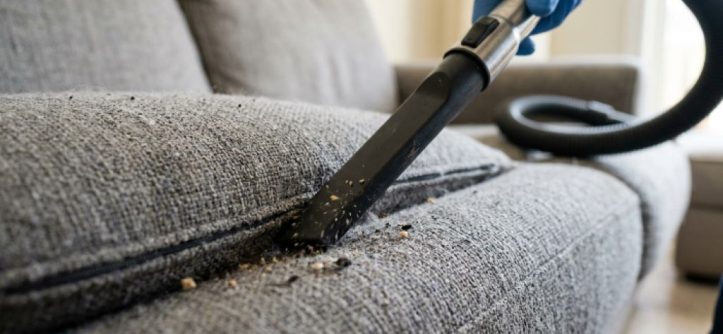
Once flat surfaces are done, switch to the crevice tool. Run it along every seam, gap, and fold. Pay close attention to the area where the seat cushion meets the sofa back. This spot collects enormous amounts of debris. Additionally, clean along the sides and base of armrests.
Step 4: Clean the Removed Cushions
Vacuum both sides of each removed cushion using the upholstery tool. Do not forget the edges and piping around each cushion. These areas trap just as much dust as the flat surfaces.
Step 5: Finish with the Frame and Legs
Finally, run the vacuum over the frame, arms, and legs. Use the crevice tool for carved or decorative wooden legs where dust likes to collect. This final pass leaves your furniture looking completely refreshed.
Tips for Tackling Pet Hair on Upholstery
Pet hair is one of the most stubborn things to remove from furniture. It weaves itself into fabric fibers and resists ordinary vacuuming. However, a few simple techniques make the job much easier.
Before vacuuming, run a rubber glove or damp sponge over the surface. The friction causes pet hair to clump together, making it far easier to pick up. Additionally, some lightweight vacuums include a motorized pet hair attachment. This rotating brush loosens embedded hair effectively.
Vacuum pet hair in multiple directions. Going against the grain of the fabric lifts hair that a single-direction pass misses. Therefore, combine horizontal and vertical strokes for the best possible result.
Building a Quick Cleaning Routine That Sticks
Consistency is the secret to a clean home. One weekly session using compact cleaning tools takes as little as ten to fifteen minutes when you know what you are doing. That is a small investment for furniture that always looks its best.
Try setting a specific day and time each week for furniture vacuuming. Pairing it with another task, such as doing laundry, makes it feel less like a chore. Over time, it simply becomes part of your natural weekly routine.
Additionally, keep your lightweight vacuum in an accessible spot. If it is buried in a cupboard, you are far less likely to reach for it for small messes. A visible, convenient location encourages spontaneous use. This means dirt never gets a chance to build up in the first place.
Choosing the Right Lightweight Vacuum for Your Furniture
With so many models available, choosing the right vacuum can feel overwhelming. However, focusing on a few key criteria will simplify your decision.
- Suction power: Look for at least 15 to 20 AW (air watts) for effective upholstery cleaning.
- Battery life: For cordless models, a minimum of 20 minutes run time suits most homes.
- Dustbin capacity: A bin of 0.5 liters or more reduces how often you stop to empty it.
- Attachments: Confirm that the model includes both an upholstery tool and a crevice tool.
- Filter type: A HEPA filter is ideal for households with allergy or asthma sufferers.
Therefore, compare models based on these features rather than price or brand name alone. The best vacuum is the one that fits your specific home and lifestyle.
Maintaining Your Vacuum for Long-Term Performance
A well-maintained vacuum lasts longer and performs better. Fortunately, lightweight vacuums are simple to look after. Empty the dustbin after every use. This prevents suction loss and stops unpleasant odors from developing inside the machine.
Clean or replace the filter according to the manufacturer’s instructions. Most filters need rinsing monthly and full replacement every three to six months. Additionally, check attachments for tangled hair or blockages after each session. Clearing these immediately prevents motor strain and maintains strong suction.
Conclusion
Keeping furniture clean does not have to be a long, exhausting task. A lightweight vacuum cleaner gives you the power and flexibility to handle upholstery cleaning quickly and effectively. By using the right attachments, following a systematic approach, and building a simple weekly habit, you can maintain spotless furniture with minimal effort.
Remember to prepare before you vacuum, work from top to bottom, and address problem areas like cushion gaps and pet hair with targeted techniques. Keep your vacuum maintained so it delivers reliable suction every time you need it.
With the right compact cleaning tools and smart habits on your side, a fresher, cleaner home is always just minutes away. Start today, and you will quickly see the difference a lightweight machine can make.
Frequently Asked Questions
1. Can a lightweight vacuum clean all types of furniture fabric?
Yes. Most lightweight vacuums with an upholstery attachment are safe for cotton, polyester, velvet, microfiber, and leather. However, always test on a small hidden area first with delicate or vintage fabrics. Use the lowest suction setting for sensitive materials.
2. How often should I vacuum my furniture?
Once a week works well for most homes. However, if you have pets or family members with allergies, two to three times per week is a better target. High-traffic pieces like the main sofa benefit from more frequent attention than guest room furniture.
3. Is a cordless lightweight vacuum powerful enough for furniture cleaning?
Yes, for everyday furniture maintenance, a modern cordless lightweight vacuum provides more than enough suction. However, for very thick or heavily soiled upholstery, a corded model may still have an edge. For regular quick cleaning sessions, cordless is entirely adequate.
4. What is the best attachment for removing pet hair from a sofa?
A motorized mini brush roll is the most effective tool for pet hair. It uses a spinning brush to loosen embedded hair before suction removes it. If your vacuum does not include one, a rubber upholstery nozzle is the next best option. Both are widely available as aftermarket accessories.
5. Why does my lightweight vacuum keep losing suction?
Suction loss almost always comes from a full dustbin, a clogged filter, or a blockage in the hose or attachments. Empty the dustbin after every session. Clean the filter monthly. Check all attachments for blockages regularly. These simple steps will keep your vacuum performing strongly for years.
Related Topics: