
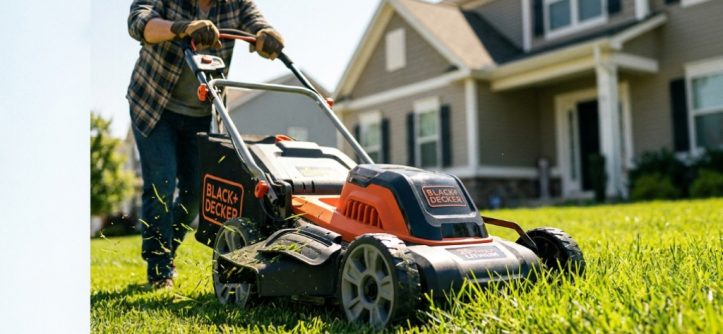
If you own a quarter-acre lot or less, a gas mower can feel like overkill. You spend more time pulling a starter cord, refilling a jerrycan, and breathing exhaust fumes than you do actually cutting grass. A battery-powered option such as a lightweight mower with mulching function changes that math—but only if your yard and your habits fit the trade-offs. This guide breaks down where electric wins, where gas still holds an edge, and how to decide which one belongs in your garage.
Key Takeaways
- For yards under about a quarter acre, a battery mower usually finishes the job on one charge and costs far less to run and maintain than gas.
- Mulching works best when you cut frequently and remove only the top third of the grass blade—letting clippings feed the lawn instead of bagging them.
- Gas mowers still make sense for very large lots, thick wet grass, or anyone who needs unlimited runtime without swapping batteries.
- The real cost difference isn’t the sticker price—it’s fuel, oil changes, spark plugs, and annual tune-ups that electric models skip entirely.
- Match the deck width, battery voltage, and cutting height range to your specific yard before buying anything.
Is a Battery Mower Actually Powerful Enough for Small Yards?
For most small residential lawns, yes. Modern cordless mowers run on 18V to 80V battery systems, and the higher-voltage models deliver enough torque to cut normal grass without bogging down. The key limitation isn’t power—it’s runtime. A single battery typically handles a modest suburban front or back yard, but a larger lot may require a second battery or a break to recharge. If you have thick, wet, or overgrown grass, expect shorter runtime and slower progress than a gas engine would give you.
How runtime compares in practice
Gas mowers run until the tank empties, which makes them predictable for big jobs. Battery mowers are rated in minutes of runtime, and those ratings often assume light grass and moderate pace. In real conditions—taller grass, damp mornings, frequent stopping—you’ll get less. For a typical small yard, that’s rarely a problem. For anything approaching half an acre with heavy growth, it becomes the deciding factor.
Where mulching fits into the power question
Mulching demands more from a mower than side discharge or bagging because the blade has to chop clippings repeatedly and force them back into the turf. A weak motor will leave clumps. A properly powered lightweight mower with mulching function handles this well when you follow the basics: cut often, cut dry, and don’t let the grass get ahead of you.
Running Costs: Electric vs Gas Over a Few Seasons
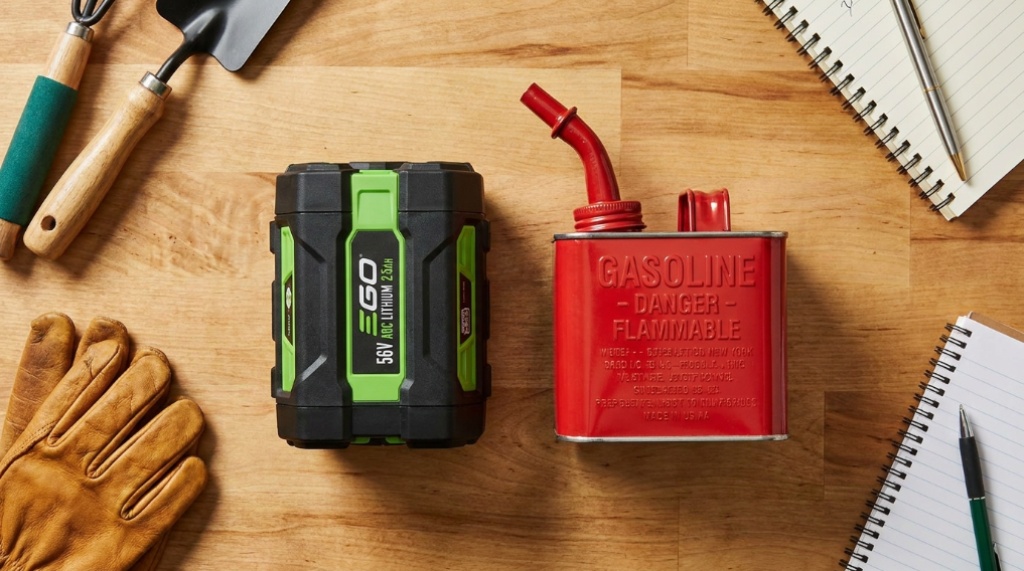
A battery mower’s purchase price is often comparable to a mid-range gas mower, but the ongoing costs diverge sharply. Gas requires fuel, oil, spark plugs, air filters, and occasional carburetor work. Battery mowers need none of that—just electricity to charge and, eventually, a replacement battery after several years of use. Over three to five seasons, the savings on fuel and maintenance usually outweigh the cost of one replacement battery.
| Cost Factor | Battery Mower | Gas Mower |
|---|---|---|
| Fuel | None (electricity only) | Regular gasoline purchases |
| Oil changes | Not required | Required each season |
| Spark plugs / filters | Not applicable | Periodic replacement |
| Storage concerns | Charge and store indoors | Drain fuel, avoid fumes |
| Noise | Quiet enough for early mornings | Loud, often restricted by local rules |
The table above isn’t a strict price comparison—actual numbers depend on your energy rates, fuel prices, and how often you mow. But the categories themselves tell the story: gas has more recurring cost lines, and each one is a small chore you don’t have to do with electric.
When a Gas Mower Still Makes More Sense
Gas isn’t obsolete. It still wins in specific situations:
- Large properties where a single charge won’t cover the whole lawn.
- Heavy or wet grass that stalls smaller electric motors.
- Long, uninterrupted sessions where stopping to swap or recharge batteries is impractical.
- Rough terrain or thick brush that demands sustained torque.
- Users who prefer refueling over recharging and don’t mind the maintenance routine.
If any of those describe your yard, a gas mower is the practical choice. If none do, you’re paying for capability you won’t use.
Mulching: The Feature That Changes How Often You Mow
Mulching isn’t just a discharge option—it changes your mowing rhythm. Instead of bagging clippings and hauling them to the curb, you leave finely chopped grass on the lawn, where it breaks down and returns nitrogen to the soil. That saves time and reduces waste, but it only works if you follow a few rules,
Before finalizing your choice of mower, it is also important to check the health of your lawn because signs of poor soil aeration in gardens can prevent your grass from growing evenly despite regular mowing.
The one-third rule
Never remove more than one-third of the grass blade height in a single pass. If your lawn is three inches tall, cut it to two inches—no lower. Cutting more than that shocks the grass and leaves clumps that smother the turf underneath.
Dry grass only
Wet clippings clump together and clog the deck. Mulching works best in dry conditions, ideally mid-morning after dew has lifted.
Sharp blades matter more with mulching
A dull blade tears grass instead of slicing it, which stresses the lawn and leaves ragged tips that brown. Sharpen or replace the blade at least once a season—more often if you mow frequently.
Practical Decision Criteria for Small Yards
Use these questions to narrow your choice:
- How large is the area you actually mow? Measure it—don’t guess. Under a quarter acre leans electric; over half an acre leans gas.
- How thick and fast does your grass grow? Fast-growing, thick lawns demand more power and more frequent cutting.
- Do you have outdoor power nearby? Charging indoors is fine, but you’ll need to carry the battery or the mower.
- How much maintenance are you willing to do? Gas requires seasonal upkeep; electric mostly doesn’t.
- Do noise restrictions or neighbors matter? Electric runs quietly enough for early or late mowing in many areas.
- Will you mulch, bag, or side discharge? Mulching changes the power and blade requirements.
Answer those six honestly and the decision usually makes itself.
Common Mistakes to Avoid
- Buying a mower rated for a larger lawn than you have—you pay for runtime you’ll never use.
- Ignoring cutting height range. If your grass variety needs a specific height, check the mower’s adjustable range before buying.
- Mulching overgrown grass. It clumps, smothers, and looks worse than bagging would have.
- Leaving a battery stored in extreme heat or cold. It shortens battery life significantly.
- Assuming all battery mowers are equal. Voltage, blade design, and deck size vary widely in performance.
Frequently Asked Questions
How long does a battery mower run on one charge?
Runtime varies by voltage, battery capacity, grass conditions, and cutting height. Small yards typically finish on one charge; larger or thicker lawns may need a second battery or a recharge break.
Can a battery mower handle mulching as well as gas?
Yes, when the grass is dry and not overgrown. Mulching performance depends more on blade sharpness, cutting frequency, and deck design than on whether the mower is electric or gas.
Is a battery mower worth it if my yard is tiny?
For small yards, electric usually wins on convenience, noise, and maintenance. You skip fuel, oil changes, and pull-start frustration, and one charge typically covers the whole job.
Do I still need to sharpen blades on an electric mower?
Yes. Any mower with a spinning blade needs sharpening. Dull blades tear grass and cause browning, regardless of the power source.
What happens to battery mower performance in tall grass?
Runtime drops and cutting speed slows. For best results, mow before grass gets too tall, or make two passes at different heights rather than forcing one deep cut.
Can I leave the battery in the mower between uses?
It’s better to remove it and store it indoors at moderate temperatures. Leaving batteries in extreme heat or cold reduces their lifespan.
Conclusion
For small yards, a battery-powered mower is usually the more practical choice. You get quiet operation, no fuel or oil maintenance, and mulching that returns nutrients to your lawn instead of sending them to the curb. Gas still earns its place on larger properties or in heavy, wet grass. Measure your lawn, be honest about your mowing habits, and pick the tool that matches your reality—not the one with the biggest engine.