

When you send the water down the drain, whether it’s a kitchen sink, bathtub or toilet, it must go somewhere. Finally, all the water that you use in your home returns back to the river and the sea – so that the water cycle can begin again – but how does it get there?
Pipes and sewers: The wastewater travels through the pipe network in your home. The drainage network of your home eventually joins a communal sewer pipe located under the street. This is where all your waste water and that from neighbouring properties joins. A mains sewerage pipe takes the waste water to the sewage treatment plant. Visit the wastewater treatment service for more details.
Waste water treatment: When it reaches the treatment plant, it is filtered. This involves getting rid of objects that should never have been flushed, like nappies and wipes. When such items have been removed, the waste water moves into the next phase. Don’t risk blocking your pipes but if you do, contact a Blocked Drains Dartford company at https://www.3flowdrainage.co.uk/drainage-services/blocked-drain-kent/blocked-drain-dartford
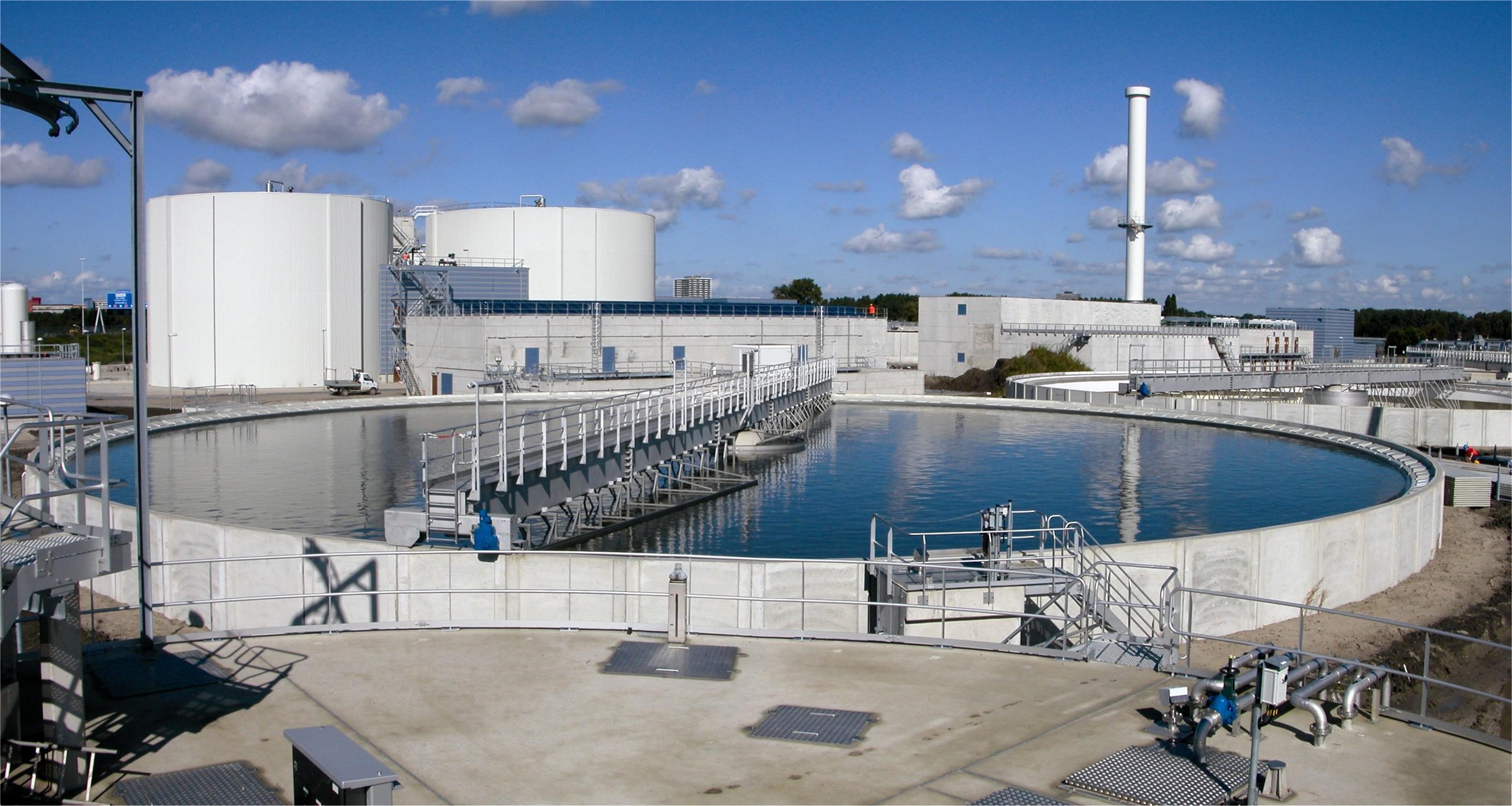
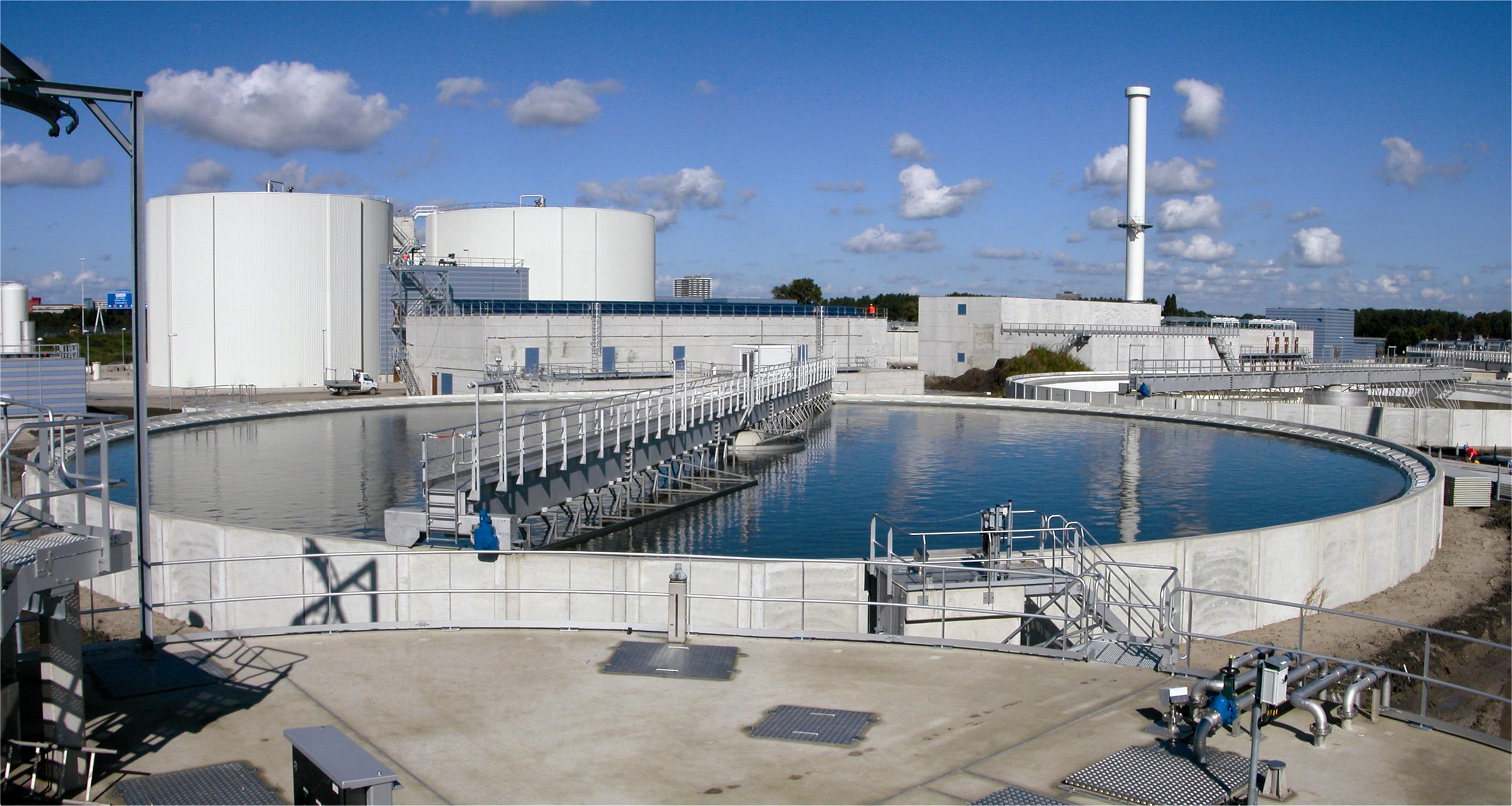
Initial treatment: The preliminary phase focuses on removing solids from the water. When the water reaches the wastewater treatment tank, it is left to settle, so that solids sink to the bottom. The solids are anchored into the centre of the tank with a large rotating arm, and once separated, the water is sent to the second stage of treatment.
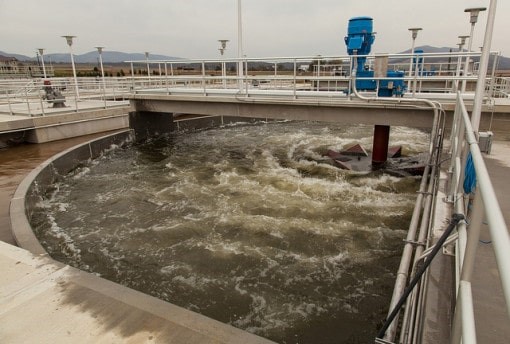
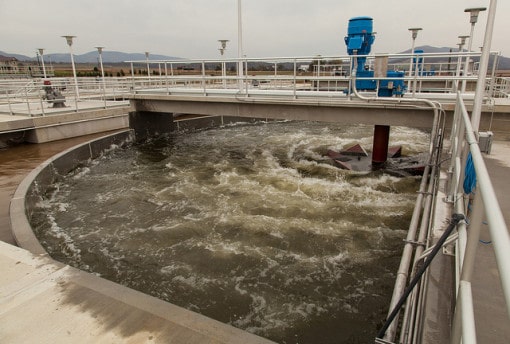
Stage two: While large solids have been removed, small, invisible fragments may still contaminate the water. To remove this requires biological treatment. In this stage, billions of bacteria are introduced into the water. These bacteria eat away at the solid waste particles, rendering them harmless.
Stage Three: This is an important quality control phase to ensure all residual contaminants are completely removed leaving the water thoroughly clean.




Leave a Reply
You must be logged in to post a comment.