
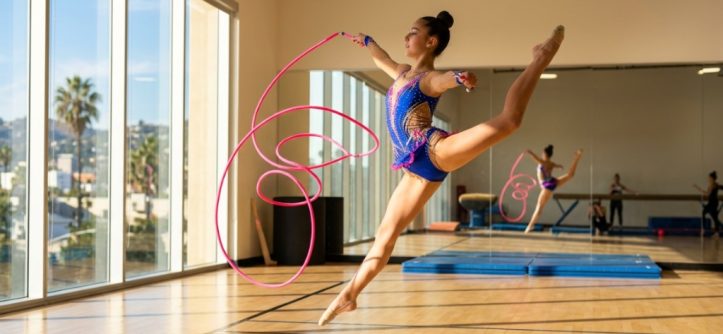
Finding the right gymnastics rope without blowing your budget can feel like a balancing act. Whether you’re a coach stocking a growing program, a parent outfitting a young athlete, or a collegiate gymnast replacing worn equipment, the California market offers plenty of options—but also plenty of pricing traps. You don’t need to sacrifice quality for affordability, but you do need to know where to look, what features actually matter, and when a lower price simply signals lower durability. This guide walks through practical strategies for sourcing an affordable gymnastics rope California athletes and programs can rely on, without the guesswork.
Key Takeaways
- Gymnastics ropes vary significantly in material, length, and certification; knowing your exact event and level requirements narrows your search and prevents wasted spending.
- Affordable doesn’t always mean cheap—focus on the cost-per-use ratio, especially for training ropes that face daily wear and tear.
- Local California retailers, team bulk orders, and direct online suppliers offer different pricing advantages; the best choice depends on your timeline and order size.
- Check for FIG or USA Gymnastics certification before buying, especially for competition, to avoid purchasing a rope that cannot be used in sanctioned events.
- Beware of hidden costs like shipping delays from overseas suppliers or low-quality materials that need replacement within months.
Understanding the Gymnastics Rope Market in California
California has one of the largest gymnastics communities in the country, with hundreds of clubs spread from San Diego to Sacramento. That demand means robust supply—but also inconsistent pricing. Retail gymnastics pro shops in Los Angeles or the Bay Area often charge premium prices because of overhead, while national chains may offer standardized but limited selections. Online suppliers, especially those that ship directly from manufacturers, frequently provide the best balance of competitive pricing and acceptable quality. The key is understanding that “affordable” doesn’t automatically mean lowest cost; it means the best value for your specific situation.
When you search for an affordable gymnastics rope California, you’re stepping into a market where the median price for a quality competition rope ranges broadly. The variance depends heavily on material composition—cotton ropes differ in price from synthetic blends—and on whether the rope meets official competition standards. A cheap rope that fails inspection is not affordable at any price; it’s a liability.
For those looking to expand their training or explore unique discipline tools beyond traditional routines, check out The Predator Move Rope Dart: A Lethal Weapon of Stealth and Surprise
Why Material Matters for Cost and Performance
Rope gymnastics (often referred to as rope climbing in men’s artistic gymnastics) requires a specific type of rope: thick, sturdy, and capable of supporting significant dynamic load. Many general-purpose climbing ropes are too thin or too elastic. Gymnastics-specific ropes are typically made from:
- Manila fiber: Traditional, natural, and provides a good grip, but can splinter and degrade with sweat and humidity.
- Synthetic blends (nylon/polypropylene): More durable, resistant to moisture, and often easier to clean, but can be slippery when new.
- Coated or wrapped cores: Offer a balance of grip and durability but are usually the most expensive option.
For affordability, synthetic blends generally offer the lowest total cost of ownership because they last longer and require less maintenance than natural fibers. If you are in a coastal California city with high humidity, avoiding manila can save you from frequent replacement costs.
Evaluating Price vs. Longevity
A common mistake is purchasing the cheapest rope available at a big-box sporting goods store, only to discover it stretches excessively, frays, or fails to meet thickness specifications. Gymnastics ropes for competition must be a specific length—typically 5 meters from the floor to the attachment point—and must have a consistent thickness. A rope that doesn’t meet these specs is unusable in meets, leaving you back at square one.
Calculate the real cost: A rope priced at $40 that lasts only six months with regular training is more expensive than a $90 rope that lasts three years. For facilities with multiple athletes, dividing the cost across usage days or team members makes the investment even more palatable. Always ask about warranty and replacement policies before committing to a purchase.
New vs. Used Ropes for Gymnastics
For individual athletes, buying a used rope can be a legitimate way to save money. Check with local California gymnastics clubs that are upgrading equipment; they often sell older ropes that still have significant life remaining. However, never purchase a used rope without physically inspecting it for:
- Fraying or core exposure
- Mold or mildew (especially a concern in California’s coastal and valley climates)
- Stretching that cannot be reversed
- Loose or damaged attachment loops at the top
For teams or clubs, buying new is almost always the safer long-term financial decision due to liability and consistency across athletes.
Local vs. Online: Where to Buy
Your purchasing location directly impacts price, shipping time, and the ability to inspect the product. Each option has distinct trade-offs.
| Purchase Source | Pros | Cons | Best For |
|---|---|---|---|
| Local gymnastics pro shop | Immediate availability, in-person inspection, no shipping fees | Higher markup, limited inventory, may not stock specialized competition grades | Coaches needing emergency replacement or athletes wanting to feel the rope |
| National sporting goods chains | Convenient, easy returns, predictable pricing | Often lacks gymnastics-specific equipment; general ropes are usually unsuitable for competition | Recreational uses or non-certified training only |
| Direct online manufacturers/suppliers | Lower prices, wider selection, access to certified equipment, bulk discounts | Shipping wait time, inability to inspect before purchase, potential return friction | Programs with planning lead time and individual athletes on a tight budget |
| Used equipment marketplaces | Lowest upfront cost, eco-friendly option | Inconsistent condition, no warranty, significant risk of hidden damage | Budget-conscious athletes who know exactly how to inspect a rope |
For most California buyers, the online route provides the most “bang for the buck” because you cut out the middleman. Just be sure to factor in shipping costs and delivery times, especially if you are ordering for a specific meet date.
Bulk Buying and Team Discounts
If you are purchasing for a team, club, or school, never pay full retail price per unit. Gym owners and coaches should actively negotiate. Many suppliers offer tiered discounts based on order volume—buying five or more ropes often reduces the per-unit price by 15–20%. Even if the discount isn’t advertised, requesting a quote rather than purchasing directly through a website can unlock savings.
Additionally, combine your order with other clubs in your region to reach higher discount thresholds. California has several regional gymnastics leagues and training consortiums; pooling orders for equipment is a practical way to keep costs low while maintaining quality standards.
Hidden Costs to Watch For
When comparing prices, look beyond the sticker price. Consider:
- Shipping fees: Oversized or heavy ropes may incur higher shipping charges to California.
- Import duties: If ordering from international suppliers, confirm whether the total price includes customs and taxes.
- Installation/hardware: A rope is useless without a proper anchor point. Make sure your ceiling mount or frame is compatible with the rope’s end fittings.
- Return shipping: If the rope arrives damaged or defective, who pays for return shipping? This is often a significant hidden cost for bulky items.
Ask these questions before finalizing any online order to avoid unpleasant surprises.
Recognizing Quality Without Paying Premium Prices
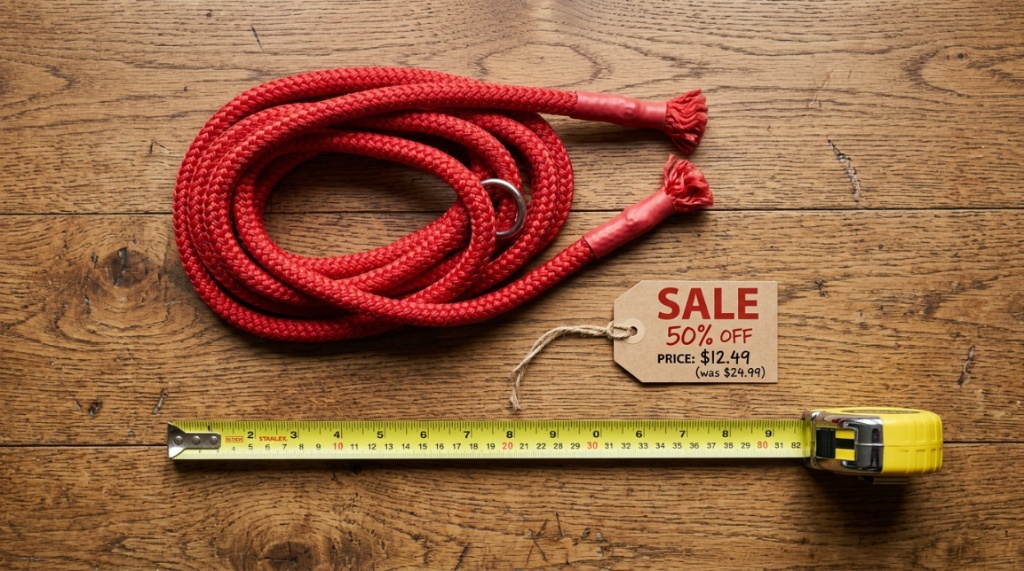
You don’t need to buy the most expensive rope on the market, but you also shouldn’t sacrifice safety for savings. Here’s what to check when evaluating a rope for gymnastics training:
- Thickness: Competition ropes generally have a diameter between 1.5 and 2 inches. A rope that is too thin causes hand fatigue and makes technique harder.
- Non-stretch design: While some give is necessary to absorb impact, excessive elasticity makes the climb unpredictable. Look for low-stretch construction.
- Textured grip: The rope should feel secure in your hands without requiring excessive force. Gloves are not allowed in competition, so grip quality is critical.
- Reinforced ends: The top and bottom of the rope take the most abuse. Reinforced whipping or stitching prevents premature fraying.
By focusing on these functional aspects, you can purchase a mid-range rope that performs at a level close to top-tier options. The brand name matters less than the material quality and construction method.
Timing Your Purchase for Maximum Savings
Gymnastics equipment prices aren’t static. There are seasonal patterns that work in your favor if you plan ahead. Many suppliers run sales during the summer months when club orders slow down, or immediately after major competitions like the U.S. Classic or the Olympic trials cycle, when demand dips. If you can project your needs six months in advance, you can often secure substantially lower prices.
Conversely, avoid buying right before the competitive season starts (typically fall in California). That’s when demand spikes, prices hold firm, and inventory runs short. Patience is a powerful budgeting tool.
Maintenance: The True Cost-Saver
The cheapest way to keep gymnastics ropes affordable is to make them last longer. Even the best rope will degrade quickly if left in a damp gym bag or dragged across abrasive flooring. Implement simple maintenance routines:
- Wipe down after use: A dry cloth removes chalk and moisture that break down fibers.
- Store properly: Hang the rope vertically, never in a tangled coil, to prevent kinks that weaken the core.
- Inspect regularly: A quick visual check before each training session prevents catastrophic failure and extends usable life.
- Rotate usage: If you have multiple ropes, alternate them so wear is distributed evenly.
These habits cost nothing but can double the rope’s lifespan, effectively halving the annual cost of equipment.
Frequently Asked Questions
What is the average price of a gymnastics rope in California?
A decent quality gymnastics training rope typically ranges from $50 to $150 depending on material and certification. Competition-grade ropes from certified suppliers usually sit at the higher end of that spectrum. Prices in California pro shops may run 10–20% higher than online alternatives.
Can I use a standard climbing rope for gymnastics training?
No. Standard climbing ropes are designed for dynamic falls and have significant stretch, making them unsafe and impractical for gymnastics rope climbs. Gymnastics ropes are thicker, less elastic, and specifically sized for climbing speed and technique.
How long should a gymnastics rope be?
For competition, the rope is typically 5 meters long from the floor to the anchor point. For general training, a rope that allows a 1–2 meter clearance above your reach when standing is a practical guideline.
Is it cheaper to buy gymnastics ropes in bulk for a team?
Yes. Most suppliers offer volume discounts for orders of five or more ropes. Contacting the supplier directly for a quote often yields better pricing than using a standard e-commerce checkout for large quantities.
How often should a gymnastics rope be replaced?
With regular training (multiple times per week), a high-quality rope should last 1–3 years depending on usage intensity and maintenance. Replace immediately if you notice fraying of the core, loss of grip texture, or visible material fatigue at the anchor point.
Conclusion
Finding an affordable gymnastics rope in California isn’t about finding the cheapest product—it’s about finding the best value for your unique circumstances. Understand your specific needs, whether that means meeting FIG certification standards or simply having a durable training tool. Compare local retail prices against online suppliers, and don’t hesitate to negotiate bulk deals or wait for favorable seasonal pricing. Prioritize material quality and sturdy construction over brand prestige, and commit to regular maintenance to maximize your investment. By combining these strategies, you can equip your athletes or yourself with reliable gear that performs well without breaking the budget.