
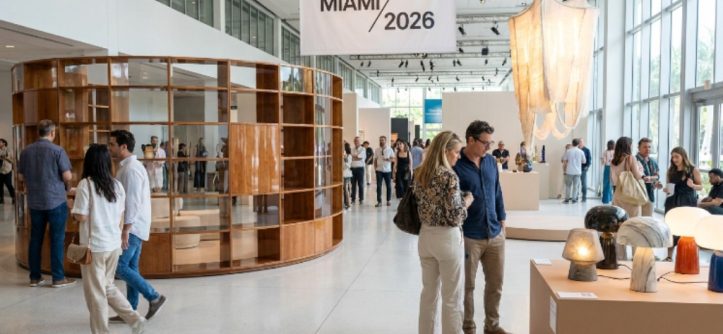
Design has always been a language. It tells stories without words. It shapes spaces, moods, and how we move through the world. And every year, one event gathers the finest voices in that language under one roof. Design Miami 2026 is that event. This year, the excitement feels different. The stakes feel higher. The world is watching.
What Makes Design Miami So Special
Design Miami is not just a fair. It is a cultural moment. Held annually in Miami, Florida, it brings together collectors, curators, designers, and enthusiasts from around the world. The event showcases collectible design from some of the most respected galleries globally.
However, what truly sets it apart is its spirit. It does not treat design as mere decoration. Instead, it treats design as art, as history, and as vision. Each piece on display carries a story. Each installation asks a question. This approach makes it one of the most meaningful gatherings in the creative world.
Additionally, the location plays a big role. Miami itself is a city defined by its visual identity. The Art Deco architecture, the vivid street murals, and the rich multicultural energy all feed into the energy of the event. Therefore, attending Design Miami feels like becoming part of the city’s creative pulse.
The 2026 Theme: Where Tradition Meets Tomorrow
Every year, Design Miami anchors itself around a central theme. In 2026, the focus turns to the conversation between heritage craft and emerging technology. This is a theme the design world has been waiting for.
On one hand, there is a growing movement to preserve traditional making. Artisans and craftspeople are pushing back against mass production. They are reclaiming hand techniques, natural materials, and slow processes. On the other hand, technology is transforming what is possible. AI-assisted design, 3D printing, and new material science are rewriting the rules.
Design Miami 2026 places both worlds in dialogue. Furthermore, it does so without taking sides. It invites visitors to consider what we keep, what we discard, and what we build next. That tension is exciting. It is also deeply relevant to every corner of modern life.
Galleries and Exhibitors to Watch
The exhibitor list for 2026 reads like a who’s who of global design culture. Galleries from Europe, Asia, the Americas, and beyond have confirmed their participation. Each brings curated selections that reflect both their heritage and their current vision.
Among the highlights are several debut exhibitors. New voices always energize the event. They challenge established tastes and introduce perspectives that even seasoned collectors have not encountered before. Additionally, returning galleries often bring their most ambitious presentations to Design Miami, knowing the audience is both sophisticated and genuinely curious.
However, it is not just the galleries that draw attention. The solo designer presentations are equally compelling. These focused showcases allow one designer to fill an entire space with a single narrative. The result is immersive, personal, and often unforgettable.
Collectible Design Takes Center Stage
Collectible design sits at the heart of Design Miami. But what exactly does that mean? Simply put, collectible design refers to works produced in limited editions or as one-of-a-kind pieces. They blur the line between functional object and fine art.
A chair can be a sculpture. A table can hold a century of cultural memory. A lighting fixture can double as a philosophical statement. Therefore, the works shown at Design Miami are not merely bought and displayed. They are acquired, studied, and cherished.
In 2026, the collectible design market is in particularly strong shape. Global interest has grown steadily over the past decade. New buyers from Asia and the Middle East have entered the space, bringing fresh perspectives and different aesthetic sensibilities. Furthermore, younger collectors in their thirties and forties are showing strong enthusiasm. This broadening audience is one of the reasons the 2026 edition carries so much anticipation.
Talks, Panels, and Programming That Inspire
Design Miami is never just about looking. It is also about listening and learning. The programming around the fair is consistently outstanding. In 2026, the schedule includes keynote conversations with some of the most influential designers working today.
Panels will tackle pressing questions. How do designers take responsibility for sustainability? What does luxury mean in an age of climate awareness? How can design address inequality? These are not comfortable topics. However, they are necessary ones, and Design Miami has never shied away from difficulty.
Additionally, workshops and intimate discussions offer visitors more personal access. These smaller formats allow for real exchange. Ideas do not just flow from a stage. They are built collaboratively, in real time, between practitioners and curious minds. Therefore, even visitors who are not collectors find enormous value in attending.
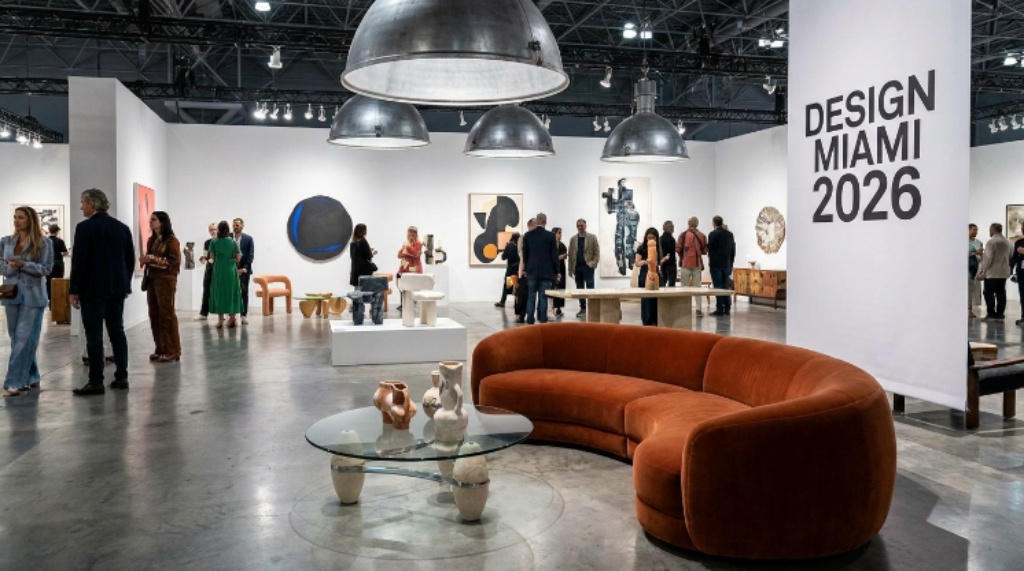
The Design Miami Satellite Events and the City’s Role
The fair itself spans a weekend, but the energy around it lasts much longer. Satellite events, gallery openings, studio visits, and private dinners all orbit around the central fair. Miami’s design district transforms into an extended campus of creativity.
Hotels partner with designers to create custom installations. Restaurants commission limited-edition tableware. Even public spaces get temporary interventions that reframe how people experience the city. Therefore, Design Miami is not just an event you attend. It is an experience you inhabit.
This year, several of Miami’s cultural institutions are coordinating their programming to align with the fair. The result is a week-long immersion in design culture that has no equal anywhere in the calendar. For anyone who loves design, there is simply no better place to be in December 2026.
Sustainability and Responsibility in 2026
One of the strongest threads running through this year’s edition is sustainability. The design world has been grappling seriously with its environmental responsibilities. In 2026, that grappling becomes more visible than ever at Design Miami.
Several galleries have made sustainability a curatorial condition. They will only show work made from reclaimed, recycled, or responsibly sourced materials. Additionally, the fair itself has committed to further reducing its own environmental footprint. From packaging to transport logistics, every aspect is under review.
However, sustainability at Design Miami is not just about materials. It is also about longevity of ideas. Collectible design, by its very nature, argues against disposability. When you invest in a piece that is meant to last generations, you are making a statement about what endures. Therefore, the values of the collectible design world align naturally with a sustainable worldview. This convergence makes the 2026 conversation especially rich.
Why First-Time Visitors Should Attend
If you have never been to Design Miami, 2026 is the year to go. The 2026 edition is shaping up to be one of the most diverse and intellectually engaging in the event’s history.
For first-time visitors, a few tips help. Arrive early on opening day to get a feel for the full scope before crowds build. Prioritize the talks program, as sessions fill quickly. Do not rush through galleries. Sit with pieces. Ask questions. The gallery staff are knowledgeable and genuinely enjoy talking about the work.
Additionally, allow time for the city itself. Miami rewards wandering. Its neighborhoods are distinct, its food culture is world-class, and its art scene extends well beyond any single fair. Furthermore, the weather in December is a welcome change for visitors arriving from colder climates.
The Market Momentum Behind the 2026 Edition
It would be incomplete to discuss Design Miami without acknowledging its market significance. The fair is a major moment for the collectible design market. Sales at past editions have reached into the millions. Significant works change hands. Careers are launched.
In 2026, market analysts are watching closely. Interest rates, global economic shifts, and the growing prominence of Asian buyers all factor into expectations. However, the fundamentals remain strong. Supply of truly exceptional collectible design is always limited. Demand continues to grow. Therefore, the conditions for a strong market showing are clearly in place.
Galleries are reportedly bringing their very best inventory to the 2026 edition. They understand what the moment calls for. That confidence, in turn, energizes the entire ecosystem around the fair.
Conclusion
Design Miami 2026 arrives at a moment of genuine excitement and relevance. It brings together the best of traditional craft and technological possibility. It creates space for collectors, designers, curators, and curious visitors to engage deeply with objects and ideas that matter. The programming is ambitious. The exhibitor list is stellar. The city itself is ready to play its part.
Moreover, the broader conversation around design, sustainability, and cultural value has never been more urgent. Design Miami sits at the intersection of all these currents. It is, therefore, the most anticipated design event of 2026, and for very good reason. Whether you come to buy, to learn, or simply to be inspired, this is the event that will define design culture this year.
Frequently Asked Questions
When and where does Design Miami 2026 take place?
Design Miami 2026 is held in Miami, Florida, typically during the first week of December. It runs alongside Art Basel Miami Beach, making the first week of December a major cultural moment in the city.
Who attends Design Miami?
The event draws a diverse crowd that includes collectors, gallerists, museum curators, interior designers, architects, design enthusiasts, and press from around the world. It welcomes both trade professionals and members of the general public.
What is collectible design, and how is it different from regular design?
Collectible design refers to limited-edition or one-of-a-kind functional objects, such as furniture, lighting, and decorative pieces, that are valued as art. Unlike mass-produced design, these works are made in very small quantities and are often created by artist-designers who approach their practice as fine art.
Do you need to be a collector to enjoy Design Miami?
Not at all. Many visitors attend simply to experience the programming, exhibitions, and atmosphere. The talks, panel discussions, and installations are open and engaging for anyone interested in design, art, and culture. First-time visitors often leave deeply inspired, regardless of whether they made a purchase.
How does Design Miami support emerging designers?
Design Miami actively platforms emerging talent through special sections of the fair dedicated to new voices. Several galleries prioritize showing younger designers, and the programming regularly features conversations with rising stars in the field. This commitment to new talent keeps the event dynamic and forward-looking year after year.