
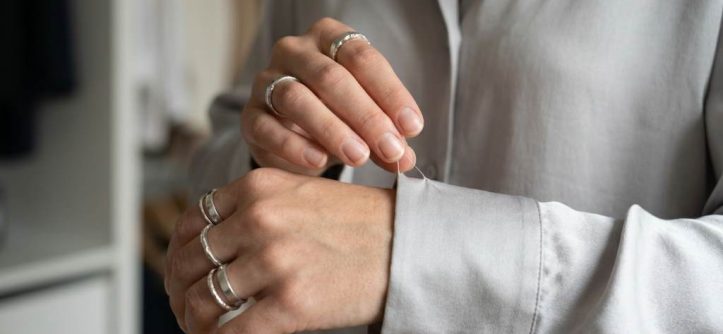
Beautiful clothing and home fabrics deserve proper care because even small snags can shorten their lifespan. Studies show that the average household completes nearly 300 laundry loads yearly, while textile waste continues growing across modern communities. Learning how to prevent fabric snags in Seattle, WA protects your favorite items and reduces replacement costs. Meanwhile, some homeowners also search for guides to mount flag on wooden pole while improving household maintenance. This guide shares practical habits that help keep delicate fabrics looking fresh throughout every season.
Understand What Causes Fabric Snags
Fabric snags happen when loose fibers catch rough surfaces during everyday use. Therefore, recognizing common causes helps you avoid unnecessary damage before it starts.
Zippers, jewelry, pet claws, rough furniture, and damaged washing machines frequently create unwanted pulls. Likewise, household maintenance matters because neglected fixtures often develop sharp edges, similar to issues explained in compression fitting maintenance guides.
Seattle’s rainy climate often encourages heavier clothing layers and frequent indoor drying routines. Consequently, extra handling increases opportunities for fabrics to catch rough materials.
Choose Fabrics That Resist Snagging Better
Some textiles naturally resist snags better than others because manufacturers weave stronger fibers together. Therefore, selecting durable materials reduces future maintenance efforts.
High quality cotton blends, tightly woven polyester, microfiber, and canvas usually resist pulls better than loose knits. However, every fabric still benefits from careful daily handling.
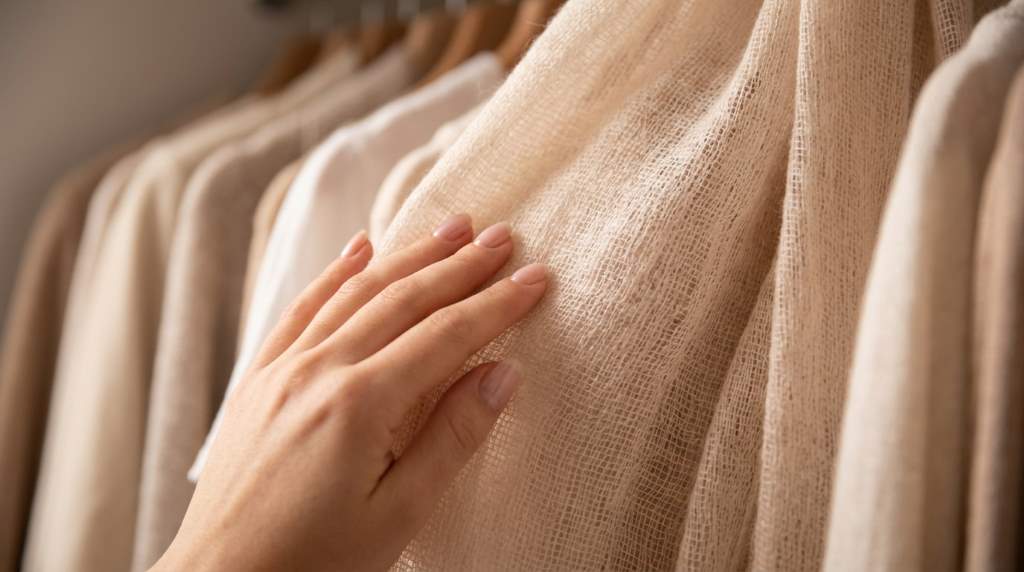
Before buying new clothing, inspect the fabric texture with your fingertips under bright lighting. Smooth surfaces usually withstand regular wear better than loose woven alternatives.
Fabrics That Need Extra Attention
- Silk garments
- Linen clothing
- Cashmere sweaters
- Wool knits
- Lace fabrics
- Delicate synthetic blends
Wash Clothes Carefully Every Time
Proper washing habits greatly reduce unnecessary friction inside washing machines. Consequently, your clothing stays smoother after repeated cleaning cycles.
Separate delicate garments from heavy jeans, towels, and jackets before starting each load. Similarly, organized home care prevents many issues, much like understanding types of plumbing systems supports better household maintenance.
Always close zippers, fasten hooks, and button shirts before washing begins. Those simple steps prevent metal hardware from catching nearby fabrics.
Turn delicate clothing inside out before placing items into the washing machine. Additionally, use mesh laundry bags for sweaters, dresses, and lightweight garments.
Helpful Laundry Tips
- Use gentle wash cycles.
- Avoid overcrowding the washer.
- Select mild detergents.
- Wash similar fabrics together.
- Choose cold water when possible.
Dry Fabrics Without Creating Damage
Drying methods influence fabric condition just as much as washing techniques. Therefore, choosing gentle drying options prevents unnecessary stress on fibers.
High dryer temperatures weaken fibers over time and increase snagging risks. Moreover, regular household inspections prevent larger maintenance concerns, including expensive repairs around the home.
Whenever possible, lay delicate garments flat on clean drying racks instead of hanging them. Flat drying helps fabrics maintain their original shape while reducing stretching.
Remove clothing promptly after drying finishes because wrinkles often require additional handling later. Less handling naturally lowers the chances of snag formation.
Protect Clothing During Daily Wear
Everyday activities expose clothing to countless surfaces that may catch loose fibers unexpectedly. Therefore, awareness helps prevent avoidable fabric damage.
Check handbags, backpacks, and office chairs for rough edges before regular use. Small metal burrs often create repeated snags without immediate notice.
Avoid brushing against unfinished wood, wire fencing, or damaged furniture whenever possible. Those surfaces commonly grab lightweight fabrics during quick movements.
Watch These Common Hazards
- Broken zippers
- Velcro fasteners
- Sharp jewelry
- Pet claws
- Rough seat cushions
- Exposed nails
Store Fabrics the Right Way
Proper storage protects garments long after cleaning finishes successfully. Consequently, clothing remains attractive between seasons.
Fold knitwear instead of hanging heavier sweaters inside crowded closets. Hanging stretches fibers and increases future snagging possibilities.
Leave enough space between garments because tightly packed closets create unnecessary friction every day. Better organization also simplifies outfit selection each morning.
Use breathable garment bags instead of plastic covers for valuable clothing pieces. Breathable materials reduce moisture buildup while protecting delicate fabrics.
Handle Snags Before They Become Worse
Quick action limits visible damage after discovering a fresh snag. Therefore, avoid pulling loose threads immediately.
Instead, gently pull surrounding fabric until the loose thread returns toward the inside surface. This careful method often restores appearance without cutting fibers.
If necessary, use a snag repair needle designed specifically for delicate clothing repairs. Professional tailors also provide affordable fixes for valuable garments.
Seasonal Fabric Care Tips for Seattle
Changing weather conditions influence fabric maintenance throughout the year. Therefore, seasonal adjustments improve clothing protection significantly.
During wetter months, allow coats and jackets to dry completely before storing them indoors. Damp fabrics attract additional wear through repeated handling.
Spring cleaning also offers an excellent opportunity to inspect closets for rough shelving or damaged hangers. Replacing worn storage accessories protects clothing throughout the year.
Summer travel requires extra attention because luggage hardware sometimes catches lightweight garments unexpectedly. Packing cubes help separate delicate fabrics from rough accessories.
Conclusion
Preventing fabric snags requires consistent habits instead of expensive products or complicated techniques. Small improvements during washing, drying, wearing, and storage protect clothing for many years.
Start applying these practical tips today to keep your favorite fabrics looking smooth, attractive, and ready for every occasion. Consistent care saves money while extending the life of every valuable garment.
FAQs
What causes fabric snags most often?
Sharp objects, rough surfaces, and improper laundry practices create most fabric snags.
Should delicate clothing always use laundry bags?
Yes, mesh laundry bags greatly reduce friction during washing cycles.
Can fabric snags become permanent?
Yes, untreated snags may worsen and permanently damage fabric fibers.
Is air drying better for delicate fabrics?
Yes, gentle air drying usually creates less stress than machine drying.
How often should I inspect clothing for snags?
Inspect garments after washing and before storing them for the best protection.