
When you think about your home’s plumbing, standard fixtures like showers, toilets, and kitchen sinks probably come to mind first. However, those visible features are just the endpoints of a massive, interconnected network hidden behind your walls and beneath your floors.
At its core, a fully functional residential or commercial plumbing system serves three basic needs: bringing fresh water in, safely removing wastewater, and fueling our daily heating and cooking needs. Understanding how these separate systems interact can save you thousands of dollars in emergency repairs and help you spot minor issues before they turn into major structural headaches.
Here is a comprehensive look at the three distinct types of plumbing systems that keep your property safe, clean, and comfortable.
How a Complete Plumbing System Works
A standard property relies on a delicate balance of pressure and gravity across three main components: pipes (which transport the volume), fixtures (the end-use appliances like faucets, water heaters, and toilets), and drains (the exit pathways). When these three components coordinate across different subsystems, your home remains functional and sanitary.
The 3 Primary Types of Plumbing Systems
-
The Water Supply Plumbing System
The water supply system is the intake network. Its sole job is to deliver clean, potable (safe for drinking) water from either a municipal water main or a private well directly to your faucets, showerheads, appliances, and toilets.
This system relies strictly on pressure. Municipalities or private well pumps keep the lines pressurized so that the moment you turn a valve or switch on a faucet, water flows instantly.
- Key Components: Water meters, main shut-off valves, pressure regulators, water softeners, water heaters, and a complex grid of hot and cold distribution pipes.
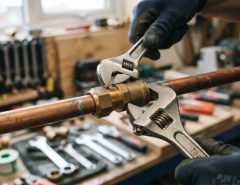
- Modern Materials: While older homes rely on copper or even galvanized iron, modern systems heavily utilize PEX (cross-linked polyethylene) pipes. PEX is highly flexible, resistant to scale buildup, and significantly less prone to bursting in freezing temperatures.
-
The Drainage and Waste Plumbing System (DWV)
Once water leaves a fixture or appliance, it enters an entirely different network: the Drain-Waste-Vent (DWV) system. Unlike the supply side, the drainage system does not run on pressure. Instead, it relies 100% on gravity to guide wastewater downward out of your home and into a municipal sewer main or a private septic tank.
Because it relies on gravity, DWV pipes are much wider than water supply lines and must be carefully sloped to prevent blockages.
- The Role of Traps and Vents: Ever wonder why the pipe under your sink has a distinct U-shape? That is a P-trap. It holds a small amount of standing water to create a seal, blocking dangerous and foul-smelling sewer gases from backing up into your living spaces. The vent portion of the system extends up through your roof, bringing in outside air to maintain equal atmospheric pressure so that water flows smoothly without creating a vacuum effect.
-
The Gas Plumbing System
Many people are surprised to learn that natural gas and propane lines fall under a licensed plumber’s scope of work. The gas plumbing system utilizes specialized pipes to safely transport highly combustible fuel from a main meter or external tank to your home’s heavy-duty appliances.
- What it Powers: Gas-fueled water heaters, furnaces, kitchen stoves, ovens, fireplaces, and outdoor grills.
- Safety First: Gas systems require precise fittings and rigorous pressure testing. Unlike water leaks, which cause structural rot, a gas leak poses an immediate explosion or carbon monoxide hazard. Plumbers use heavy-walled black iron, galvanized steel, or specialized flexible corrugated stainless steel tubing (CSST) to distribute gas safely.
Comparison of Plumbing Subsystems
| System Type | Primary Mechanism | Primary Materials | Key Visual Red Flag |
| Water Supply | High Pressure | Copper, PEX, CPVC | Sudden drop in water pressure, unexplained spike in utility bills, and damp drywall. |
| Drainage & Waste (DWV) | Gravity & Venting | PVC, ABS, Cast Iron | Gurgling noises from drains, slow drainage, foul sulfur-like odors. |
| Gas Plumbing | Low-to-Medium Pressure | Black Iron, Steel, CSST | Hissing sounds near appliances, rotten-egg odor (mercaptan additive). |
Red Flags: When to Call a Professional Plumber
Plumbing issues rarely resolve themselves; left unchecked, a minor nuisance can quickly spiral into catastrophic water damage or a severe health hazard. Keep an eye out for these universal warning signs:
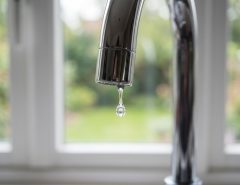
- Unexplained Water Bill Spikes: If your water usage habits haven’t changed but your monthly bill is climbing, you likely have a hidden supply line leak behind a wall or under your foundation (a slab leak).
- Consistent Low Water Pressure: This could point to anything from simple mineral scale buildup in older pipes to a major rupture in your main underground water supply line.
- Persistent Drainage Failure: A single clogged sink is annoying, but if multiple fixtures are backing up simultaneously, you are likely facing a severe blockage deep within your main sewer line.
- The Scent of Sewer Gas or Rotten Eggs: A sulfur smell near your drains indicates a dry P-trap or a cracked vent stack. A rotten egg smell near an appliance indicates a gas leak—leave the property immediately and call emergency services.
Frequently Asked Questions
Q: What is the difference between a main water shut-off valve and an isolation valve?
A: A main water shut-off valve cuts off the water supply to your entire property, which is crucial during a major pipe burst. An isolation valve is located directly beneath individual fixtures (like a toilet or sink) and allows you to shut off water to just that specific unit for repairs without disrupting the rest of the building.
Q: Can I mix different types of piping materials during a DIY repair?
A: It is generally discouraged. Joining dissimilar metals (like copper and galvanized steel) causes a chemical reaction known as galvanic corrosion, which rapidly degrades the pipe joint. While adapting different plastics like PVC to ABS is structurally possible using specialized transition couplings, always check local building codes first.
Q: Why is my drainage system making a gurgling sound when I flush the toilet?
A: Gurgling typically indicates a blocked plumbing vent stack on your roof. When the vent is blocked by debris, bird nests, or ice, the rushing water tries to pull air through your indoor P-traps instead, creating a straw-like vacuum sound and potentially pulling sewer gases into your home.


Leave a Reply
You must be logged in to post a comment.