
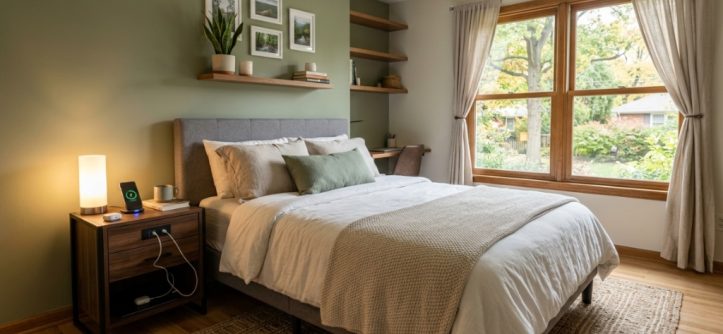
Waking up to a dead phone and a cluttered nightstand is a frustrating way to start the day. You need a dedicated spot for your devices, but your bedroom is short on square footage, and every piece of furniture feels like it eats up valuable floor space. The solution isn’t just buying a smaller table; it’s about choosing smarter furniture that merges utility with compact design. Upgrading to modern charging nightstands Missouri homes are increasingly adopting gives you a dedicated tech hub without sacrificing your limited layout. These pieces are designed to consolidate cords, lift devices off the floor, and replace bulky lamps and separate charging stations, instantly reclaiming precious inches and visual calm.
What Exactly Makes a Nightstand a “Charging” Model?
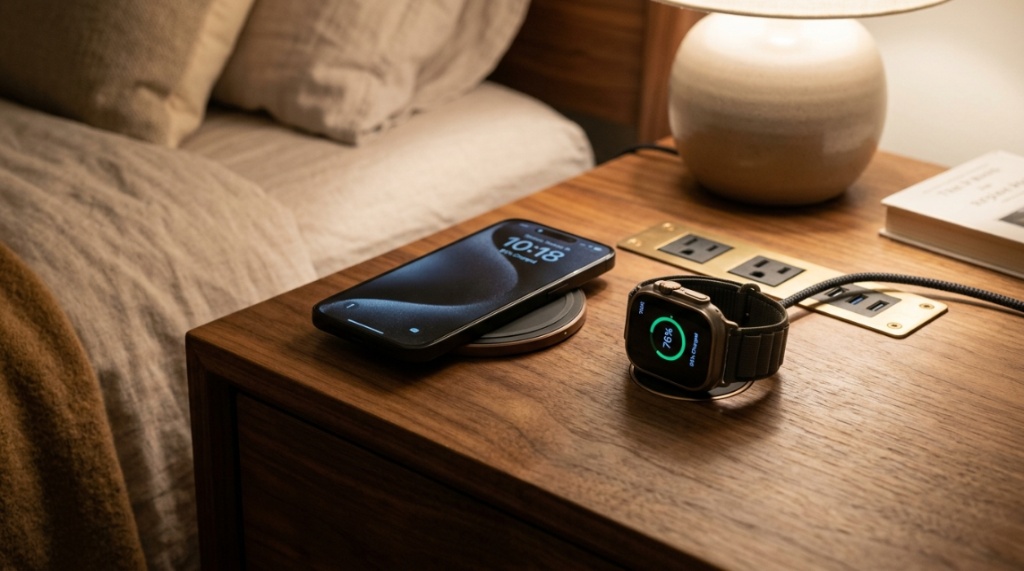
A charging nightstand is a bedside table with integrated power solutions, such as built-in AC outlets, USB ports, or wireless charging pads. Unlike standard furniture, these pieces are wired to deliver electricity directly to your devices, eliminating the need for messy power strips or long, tangled cords that stretch across the floor. They are purpose-built to keep your technology organized, accessible, and charged by morning.
Common Built-in Features to Look For
When shopping for these space-saving marvels, you will typically encounter several configurations. Knowing what each offers ensures you pick the right level of tech integration for your habits.
- Built-in AC Outlets: These are standard power sockets embedded into the side, back, or top of the unit, perfect for lamps, alarm clocks, or charging laptop bricks.
- USB-A and USB-C Ports: These allow you to plug cables directly into the nightstand. USB-C is quickly becoming the standard due to faster charging speeds for modern smartphones and tablets.
- Wireless Charging Pads: Look for a designated spot on the tabletop where you can simply lay your phone to initiate charging, completely eliminating the need for a cable.
- Cable Management Systems: high-quality models include hidden channels, grommets, or rear cutouts to route cords neatly and keep them out of sight.
Why This Integration Saves More Than Just Cords
The primary benefit is the elimination of separate charging accessories. A standard setup often requires a lamp (plugged in), an alarm clock (plugged in), and a phone charger (plugged in), demanding multiple outlets. A charging nightstand consolidates these functions. This reduction in clutter translates to more usable tabletop surface area.
Why Should You Prioritize Vertical Space Over Floor Space?
In small Missouri apartments or cozy starter homes, floor space is a premium commodity. Nightstands that offer vertical storage options, such as tall hutches or drawers that stack upward, free up your floor plan for walking paths or additional seating. The goal is to maximize storage overhead rather than sprawling outward into the room.
Utilizing Height for Storage and Style
Opting for a taller charging nightstand (around 26 to 30 inches high) that features multiple drawers or an upper shelf allows you to store books, glasses, and remote controls vertically. This keeps the footprint small while significantly increasing your storage capacity.
Choosing Slim Profiles for Tight Clearances
Look for models with a depth of 15 to 16 inches or less. A shallower profile prevents the table from encroaching into the walkway, making the room feel larger and more open. Pair this with “floating” wall-mounted designs to expose your floor surface entirely, which visually expands even the smallest bedrooms.
How Can You Assess the True Quality of the Electronics?
Not all charging electronics are created equal. Safety and durability are critical, especially when dealing with electrical components near flammable materials like bedding. You must evaluate the specifications just as closely as the wood grain.
Safety Certifications and Surge Protection
Ensure the unit has a UL (Underwriters Laboratories) or ETL certification. This verifies that the electrical components have been tested for safety risks like short-circuiting and overheating. Look for models with built-in surge protection to safeguard your expensive electronics against power spikes.
Understanding Wattage and Charging Speeds
Check the output wattage of the USB ports. Standard USB-A ports often provide 5W to 7.5W, while modern USB-C PD (Power Delivery) ports can deliver up to 18W or more. For faster phone charging, you want at least 15W from the USB-C port or a dedicated 15W wireless charging pad.
Which Types of Charging Nightstands Maximize Small Rooms Best?
The configuration of the nightstand dictates how well it fits your specific spatial constraints. While a standard 24-inch wide table is common, there are several alternative forms that specifically cater to maximizing space.
The Versatility of C-Shaped and Slide-Under Designs
C-table nightstands are designed to slide partially over the edge of your bed. This effectively places the charging surface directly beside you without taking up any floor space in the “walking lane.” They use the existing space over the mattress, which is otherwise dead space.
Wall-Mounted Charging Shelves
Wall-mounted options eliminate the footprint entirely. They are installed directly onto the wall studs, keeping the floor completely clear for cleaning or storage. This is arguably the most effective way to maximize space in a Missouri loft or studio apartment.
Narrow Charging Chests for Tight Corners
If you need enclosed storage, a narrow chest (around 18 inches wide) with a charging station built into the top or side offers a compact solution. These fit snugly into tight corners or narrow gaps next to a bed, providing drawers without the bulk of a full-size dresser, Once you finish optimizing your sleeping quarters, you can carry that same functional transformation over to your culinary space by exploring these 15 Kitchen Makeover Ideas That Completely Transform the Space.
When Is the Best Time to Upgrade Your Bedside Furniture?
Understanding the right timing to make this purchase can influence both your budget and your satisfaction with the available styles. While you can upgrade at any time, certain moments make the transition smoother and more cost-effective.
Coordinating with Major Home Renovations
If you are repainting, installing new flooring, or reconfiguring the electrical outlets in your bedroom, this is the perfect time to invest. You can often have an electrician pre-wire the wall specifically for a wall-mounted charging unit, creating a seamless, integrated look,
Recognizing the Signs of Outdated Furniture
If your current nightstand is a simple cardboard-flat unit and you are currently using a clunky power strip that gets knocked off the bed, it is time. The ‘trigger moment’ is when your charging setup becomes a daily annoyance or a tripping hazard.
How to Measure Your Bedroom for the Perfect Fit
Before you start shopping for charging nightstands Missouri retailers offer, you need to take precise measurements. A tape measure prevents the costly mistake of buying a piece that is too large for the space or too short for your mattress height.
Calculating the Correct Height
Ideally, the surface of your nightstand should be roughly level with the top of your mattress. This ensures you can easily reach for your phone or a glass of water without stretching or straining. Measure your mattress height and look for a nightstand within 1 to 2 inches of that measurement.
Allocating Clearance and “Walk Space”
Leave at least 24 inches of walking space between the bed and the opposite wall. For the nightstand depth, measure from the side of the bed to the wall to ensure the table does not block drawers or closet doors. always account for the swing of the bedroom door.
Can You Integrate the Charging Station Without Visible Wires?
A common aesthetic concern is the “cord clutter” that comes with electricity. The best charging nightstands are designed with integrated cord management paths that conceal wires internally, creating a clean, polished look.
Routing Cords Through Built-In Channels
Look for models that feature a hole in the back panel and a groove along the bottom. This allows you to plug the nightstand into your wall outlet and then tuck the excess cord underneath the furniture, out of sight. Some high-end models even have a dedicated internal compartment to hold a power strip.
Strategically Positioning the Unit Near Outlets
While using a quality grounded extension cord is sometimes necessary, positioning your nightstand within 3 feet of an existing wall outlet ensures you don’t have to stretch the integrated cord to its limit. This reduces wear and tear on the electrical connection.
Why Are Missouri Homeowners Switching to This Furniture?
The shift towards charging furniture in Missouri is fueled by a desire for both modern convenience and aesthetic minimalism. As more people work from bed or rely on multiple devices to wind down, the bedroom environment must adapt to support these habits without creating chaos.
Adapting to Modern Lifestyle Needs
Residents in cities like Kansas City and St. Louis are often working in tech-driven environments and expect their homes to keep up. the ability to charge a smartwatch, phone, and earbuds simultaneously while maintaining a cozy, uncluttered space is highly appealing.
Combining Technology with Local Rustic Design
Many Missouri furniture manufacturers now offer charging capabilities in rustic, oak, or walnut finishes. This allows homeowners to embrace the “Ozarks” style while still enjoying the latest in home technology, proving that functionality doesn’t require sacrificing local design aesthetics.
What Are the Hidden Costs or Installation Requirements?
Some charging nightstands are “plug-and-play” (simply plug into the wall), while others, particularly wall-mounted or hardwired models, may require professional installation. Understanding these requirements prevents surprises down the road.
Comparing Plug-In vs. Hardwired Models
Plug-in models are the easiest to install—just set them down and connect the cord. Hardwired units are connected directly to your home’s electrical circuit by an electrician, offering a built-in look but adding installation costs. For renters, hardwired options are usually off-limits.
Understanding the Warranty and Repair Aspect
Because they contain electronics, these units have a higher failure risk than standard furniture. Always check the warranty coverage for the electrical components specifically. A good warranty should cover the charging ports and wiring for at least one year, if not longer.
How to Style a Multi-Functional Charging Nightstand
Once you have selected your furniture, styling it correctly ensures you get the maximum benefit from its dual-purpose nature. It needs to look good while remaining highly functional for nightly charging.
Keeping the Charging Surface “Clear”
Designate a specific “drop zone” for your phone (preferably the wireless pad) and keep that area entirely clear. Use decorative trays for loose change or keys, so they don’t obstruct the charging pad or the accessible USB ports.
Incorporating Ambient Lighting
Since most charging nightstands have a free outlet, add a small, low-wattage LED lamp for ambient lighting. This allows you to read in bed without turning on the harsh overhead lights, creating a restful atmosphere.
Frequently Asked Questions
Is it safe to leave my phone charging overnight on a charging nightstand?
Yes, it is generally safe if you purchase a nightstand with proper certifications (UL/ETL). Modern smartphones are designed to stop drawing power once fully charged, and quality charging furniture includes safeguards against overcharging and overheating.
Can a charging nightstand be used as a regular table if I don’t use the ports?
Absolutely. The electrical features are integrated into the design but don’t interfere with the table’s primary function as a surface for books, glasses, or decor. You can simply leave the electronics unused if you don’t need them.
do I need a special outlet for a charging nightstand?
No, most models use a standard three-prong plug that fits into any typical wall outlet (110-120V). You do not need any special wiring or voltage requirements, making them portable and easy to move between rooms.
How many devices can I charge simultaneously?
Typically, you can charge 2 to 4 devices at once. A standard unit includes two USB ports and a wireless pad, plus one AC outlet. If the AC outlet is used for a plug with multiple USB ports, you can increase this number, but you must check the total wattage capacity.
Are these available in finishes that match my existing wooden furniture?
Yes, most manufacturers offer a variety of wood finishes such as walnut, oak, cherry, and painted options like white or black. This ensures you can find a charging nightstand that matches your existing bedroom suite.
What is the lifespan of the charging components?
With average daily use, the USB ports and outlets can last as long as the furniture itself (10+ years). however, the wireless charging pad may wear slightly faster due to physical contact. Look for models where the electronic module is replaceable.