Plumbing problems never come at a good time. A dripping faucet, a slow drain, or a leaking pipe under the sink can cause stress and cost a lot of money if left to a professional every single time. The good news is that many common plumbing issues are something you can fix yourself. You do not need years of experience. You just need the right knowledge and the right tools.
Starting DIY plumbing at home is easier than most people think. However, it does require some preparation. You need to understand basic plumbing systems, gather the right equipment, and learn safe practices before you begin. This article will guide you through everything you need to know to get started with confidence.
Understanding Basic Home Plumbing Systems
Before you touch any pipe or valve, it helps to understand how your home’s plumbing works. Most homes have two main systems. The first brings clean water in. The second takes wastewater out.
Clean water enters your home through a main supply line. This line connects to your city’s water supply or a private well. From there, water travels through pipes to your kitchen, bathrooms, and appliances. The pressure in these pipes keeps the water moving.
Wastewater leaves through a drainage system. This system relies on gravity. Pipes slope downward so that waste flows toward the sewer or septic tank. Vent pipes also run through your walls and roof to release gases and keep the drainage system working properly.
Understanding this basic layout helps you figure out where a problem starts. Therefore, always know where your main water shut-off valve is located. In an emergency, turning it off quickly can prevent serious water damage.
Why DIY Plumbing Makes Sense
Hiring a plumber for every small job can get expensive fast. A simple faucet repair or a toilet seal replacement can cost hundreds of dollars in labor alone. Additionally, plumbers are not always available right away. A small leak can become a big problem while you wait.
DIY plumbing puts you in control. You can fix issues on your own schedule. You also save a significant amount of money over time. Moreover, learning these skills builds confidence. Once you fix one problem successfully, the next one feels much less intimidating.
Of course, not every plumbing job is suitable for a beginner. Major pipe replacements, gas line work, and jobs that require permits should go to licensed professionals. However, a large number of everyday plumbing tasks are well within the reach of a motivated homeowner.
Building Your Home Repair Tools Collection
The right tools make every job easier and safer. You do not need to buy everything at once. Start with the essentials and build your collection over time.
Here are the core tools every DIY plumber should own:
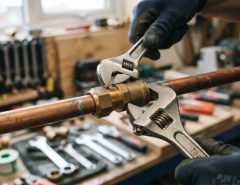
- Adjustable wrench: This is one of the most useful home repair tools you will ever own. It fits a wide range of nut and bolt sizes.
- Pipe wrench: A pipe wrench gives you a strong grip on round pipes. Use it to loosen or tighten threaded pipe connections.
- Plunger: Every home needs one. A cup plunger works on sinks and tubs. A flange plunger works better on toilets.
- Hand auger or drain snake: This tool clears clogs that a plunger cannot reach. It feeds into the drain and breaks up blockages.
- Teflon tape: Also called plumber’s tape, this thin white tape wraps around pipe threads to create a watertight seal.
- Tube cutter: A tube cutter creates clean, straight cuts on copper or plastic pipes. It is much better than using a hacksaw for this job.
- Basin wrench: This long-handled tool lets you reach into tight spaces under sinks to tighten or loosen faucet mounting nuts.
- Needle-nose pliers: These are perfect for grabbing small parts in tight spaces.
- Utility knife: Useful for cutting pipe tape, caulk lines, and other materials.
- Bucket and towels: Always have these nearby. Plumbing work almost always involves some water spillage.
Additionally, a good flashlight or headlamp is essential. Plumbing work often happens in dark areas under sinks, behind toilets, and inside cabinets.
What to Include in a Plumbing Repair Kit
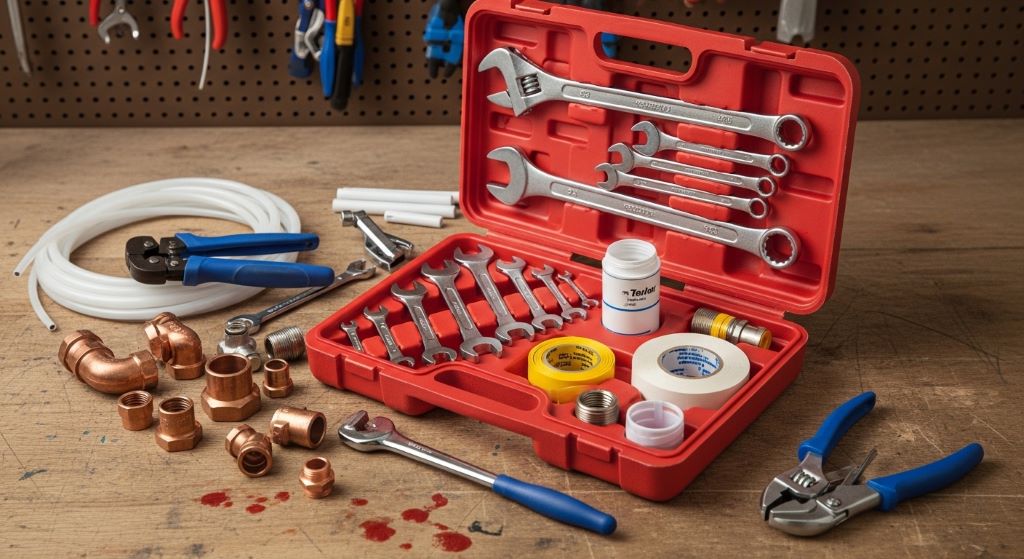
A dedicated plumbing repair kit saves time when something goes wrong. Instead of scrambling to find parts, you already have what you need on hand. Think of it as your emergency readiness kit for water-related problems.
A solid plumbing repair kit should include:
- Replacement washers and O-rings in various sizes
- Faucet cartridges for the types of faucets in your home
- Toilet flapper and fill valve replacement parts
- PVC cement and primer for plastic pipe repairs
- Plumber’s putty for sealing fixtures
- Pipe repair clamps for emergency leak fixes
- Teflon tape and pipe joint compound
- Assorted screws, nuts, and bolts
- Drain covers and strainers
Store your plumbing repair kit in a dry, accessible location. Label it clearly so anyone in the household can find it quickly. Furthermore, check the kit every six months and replace any items you have used or that have dried out.
Common DIY Plumbing Jobs for Beginners
Now that you have your tools and supplies, you are ready to tackle some real jobs. Start with simple repairs and work your way up as your skills grow.
Fixing a Dripping Faucet
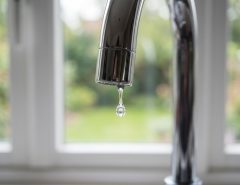
A dripping faucet wastes a surprising amount of water. In most cases, the fix is simple. The cause is usually a worn-out washer or O-ring inside the faucet handle. Turn off the water supply under the sink, disassemble the handle, replace the worn part, and reassemble. The drip should stop immediately.
Unclogging a Drain
Slow drains are one of the most common household plumbing complaints. Often, the blockage is just a buildup of hair, soap, and debris near the drain opening. Remove the drain cover, pull out the clog by hand or with a hook tool, and flush with hot water. For deeper clogs, use a drain snake. Avoid chemical drain cleaners when possible. They can damage pipes over time.
Replacing a Toilet Flapper
If your toilet runs constantly after flushing, the flapper is likely worn out. The flapper is the rubber seal at the bottom of the tank. Turn off the water supply to the toilet, flush to empty the tank, unhook the old flapper, and snap the new one in place. Turn the water back on and test. This repair usually takes less than fifteen minutes.
Fixing a Running Toilet Fill Valve
Sometimes the fill valve, not the flapper, is the problem. If the water level in the tank is too high and water trickles into the bowl, the fill valve needs adjustment or replacement. Replacement kits are inexpensive and come with clear instructions.
Sealing a Leaking Pipe Joint
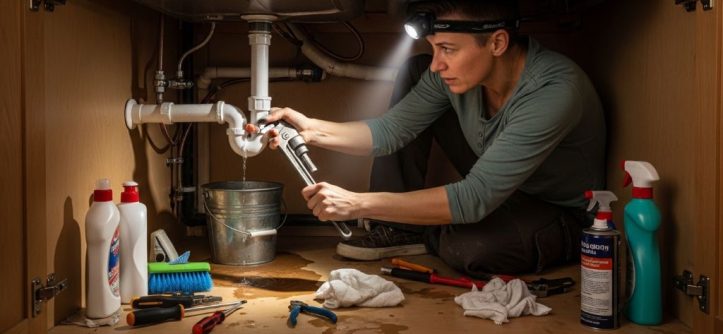
Small leaks at pipe joints are common. Often, the fix is just tightening the connection or adding fresh Teflon tape to the threads. For more serious leaks, a pipe repair clamp from your plumbing repair kit can hold things together while you plan a permanent fix.
Safety Tips You Should Always Follow
Safety comes first in any DIY project. Plumbing is no different. Follow these guidelines every time you work on your home’s plumbing.
Always shut off the water before you start. This sounds obvious, but many beginners forget. Know where your main shut-off valve is and turn off local valves under sinks or behind toilets when possible.
Never work on hot water lines without letting the water cool first. Scalding water can cause serious burns.
Wear safety glasses when cutting pipes. Small plastic or metal fragments can fly toward your face.
If you smell gas at any point, stop working immediately. Leave the house and call your gas company. Do not attempt any gas line work yourself.
Additionally, know your limits. If a job involves opening walls, moving pipes, or working near the electrical system, call a licensed professional. The money you spend on expert help is always less than the cost of a serious mistake.
Tips for Buying Quality Tools Without Overspending
You do not need the most expensive tools to do good work. However, buying the cheapest option is not always wise either. Very cheap tools break easily and can make jobs harder.
Look for mid-range brands with good reviews. Tools from established manufacturers tend to last much longer and perform better. Additionally, check your local hardware store for open-box or returned items. These are often discounted significantly and work perfectly fine.
Consider buying a starter tool kit. Many brands offer bundled sets that include several home repair tools at a lower combined price than buying each one separately. This is a smart way to build your collection without breaking the budget.
Conclusion
Starting DIY plumbing at home is one of the smartest investments you can make as a homeowner. With the right home repair tools and a well-stocked plumbing repair kit, you can handle most common plumbing problems on your own. You save money, gain valuable skills, and feel more in control of your home.
Begin by understanding your home’s basic plumbing layout. Then build your tool collection one piece at a time. Practice on small, low-risk jobs like fixing a dripping faucet or replacing a toilet flapper. As your confidence grows, so will your ability to tackle bigger challenges.
However, always prioritize safety. Know when to call a professional. The goal of DIY plumbing is not to do everything yourself. It is to handle what you reasonably can, safely and effectively.
With patience and the right preparation, you will be surprised at how much you can accomplish.
Frequently Asked Questions
What is the first thing I should do before starting any plumbing repair?
Always shut off the water supply before starting any repair. Locate the local shut-off valve under the sink or behind the toilet, or use the main shut-off valve if needed. This prevents flooding and makes the job much safer.
Can a beginner replace a faucet without professional help?
Yes, in most cases a beginner can replace a standard faucet. The process involves shutting off the water, disconnecting the supply lines, removing the old faucet, and installing the new one. A basin wrench and an adjustable wrench are the main tools you will need.
How do I know if a plumbing job is too big for DIY?
If the job requires opening walls, replacing major pipe sections, dealing with gas lines, or pulling a permit from your local government, it is best to hire a licensed plumber. Jobs that involve the main sewer line or water heater replacement also typically fall outside beginner DIY territory.
How often should I check my plumbing repair kit for expired or used items?
Check your plumbing repair kit at least twice a year. Replace any items you have used. Also check that putty, cement, and other compounds have not dried out. Fresh materials perform much better and give you reliable results.
Is Teflon tape the same as plumber’s tape?
Yes, Teflon tape and plumber’s tape refer to the same product. It is a thin, white tape made from polytetrafluoroethylene (PTFE). You wrap it around the threads of pipe fittings before connecting them. It creates a tighter, leak-resistant seal.
Related Topics:
How to Replace a Toilet Seat? Quick and Easy Guide