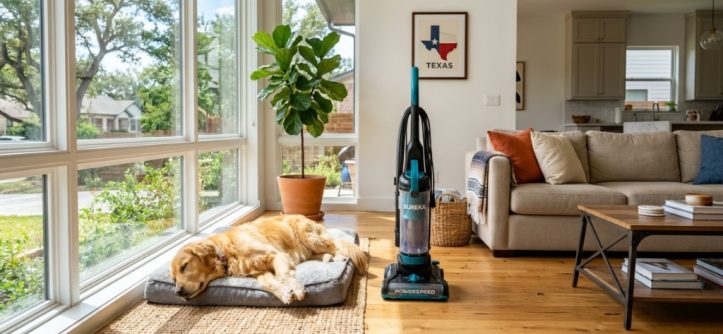
Living in Texas with a furry friend is a joy, but the constant tumbleweeds of pet hair drifting across your floors are a relentless battle. Between the fine dust of West Texas, the humidity of Houston, and the sprawling size of Dallas-Fort Worth, your vacuum has to work harder than almost anywhere else in the country. The problem is that serious pet hair machines often carry a serious price tag, leaving you feeling stuck between a dirty home and an empty wallet. You don’t need to spend a fortune to win the war against fur. You need a strategic approach to find a machine that handles your specific flooring, your pet’s coat type, and the unique challenges of the Lone Star State without breaking the bank.
Why Do Texas Homes Need a Specialized Pet Hair Vacuum?
Texas homes aren’t one-size-fits-all, and neither is the dirt they track in. From the clay-heavy soil that turns to fine dust to the seasonal pollen counts that can be off the charts, your vacuum isn’t just picking up fur; it’s dealing with a gritty, abrasive environment. A standard vacuum often lacks the suction power and brush roll design to pull embedded hair from carpets or prevent fine dust from clogging the filter. You need a machine specifically engineered to handle the unique mix of pet hair and Texas particulates.
The Impact of Texas Dust and Dirt on Vacuum Performance
Texas dirt is notoriously fine and dense. Unlike fluffier northern soils, this silt-like dust can quickly clog standard filters and reduce suction. When you add pet hair into the mix, it wraps around brush rolls and creates clumps that block airflow. A budget-friendly pet vacuum must have a cyclone system or a washable filter to maintain performance in these dusty conditions. Without this, you’ll lose suction within a month, rendering your “cheap” vacuum useless.
How Pet Coat Types Influence Your Vacuum Choice
Do you have a short-haired Lab that sheds needles or a fluffy Aussie that leaves tumbleweeds? Short, stiff hair is notorious for embedding deep into carpet fibers, requiring strong agitator brushes. Conversely, long, silky hair tends to wrap around bristles and cause jams. For Texas pets that spend time outdoors, you’re also dealing with burrs and sand. Your low-cost choice must have an easy-to-clean brush roll or a brushless design to handle these varied coat types effectively.
What Features Are Non-Negotiable for Low Cost Pet Hair Vacuums?
When you’re shopping on a budget, you cannot afford to be swayed by flashy marketing gimmicks. The non-negotiable features boil down to three things: a HEPA filter to trap allergens, a tangle-resistant brush roll or strong suction for hair pickup, and a floor head that transitions seamlessly between carpet and hard floors. If a machine lacks these, it doesn’t matter if it costs $50 or $150—it will fail at the primary job of removing pet hair.
Is a HEPA Filter Worth It in a Budget Vacuum?
Absolutely. For a state with high allergy counts, the HEPA filter isn’t just a luxury; it’s a health necessity. Pet dander and Texas pollen are fine particles that pass straight through standard filters and back into the air you breathe. A true HEPA filter in a budget vacuum ensures these allergens are trapped. Look for a sealed system, though—if the vacuum isn’t sealed, air can bypass the filter. Even on a budget, this is a feature you shouldn’t compromise on for a pet-friendly home.
Why Multi-Surface Cleaning Matters in Texas Homes
Texas living often blends tile, hardwood, and plush carpet—sometimes in the same room. Switching between settings takes time and interrupts your cleaning flow. A budget lawn pet hair vacuum needs a brush roll that can handle hard floors without scattering debris and then stiffen up to agitate carpet. Many affordable models offer a “carpet mode” and “hard floor mode,” but the transition speed and ease of use are critical for actually sticking to your cleaning routine.
| Feature | Why it Matters for Texas | Budget Impact |
|---|---|---|
| HEPA Filtration | Traps dust and allergens from open windows and constant AC use. | Adds $10-20 to cost, but worth it for allergy relief. |
| Tangle-Free Brush | Prevents long fur from wrapping and stopping the motor. | Essentials for long-haired breeds; no extra cost if you choose wisely. |
| Corded vs. Cordless | Texas homes are often large; battery life may not cut it. | Cordless is convenient but can be pricier; check battery times. |
| Washable Filter | Tackles the fine soil that clogs pores quickly. | Saves you money in the long run by avoiding replacement costs. |
How Much Should You Actually Spend on a Pet Hair Vacuum in Texas?
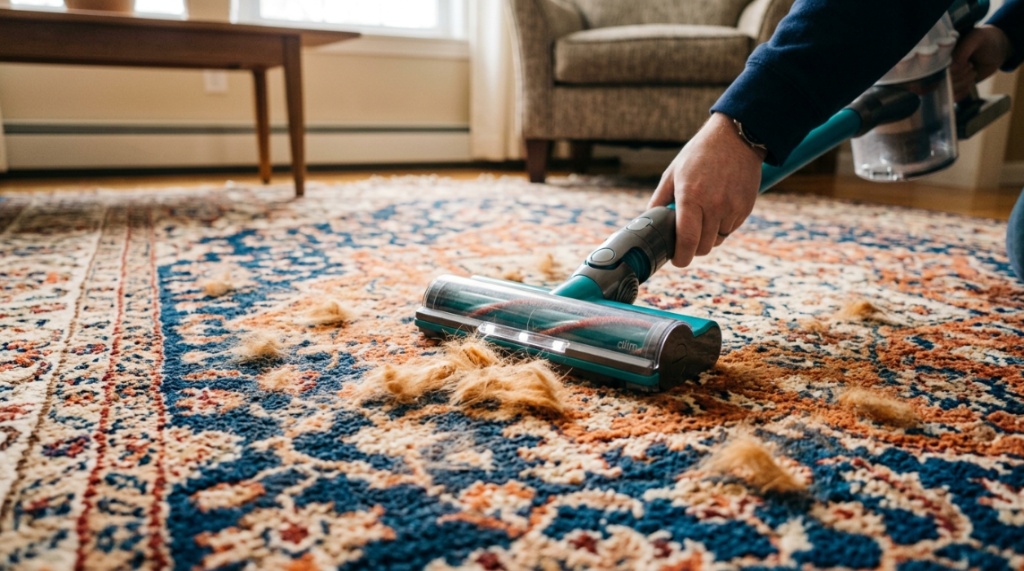
You do not need to spend $300+ to solve your pet hair problems. The sweet spot for a reliable, low cost pet hair vacuum for Texas is typically between $80 and $150. In this price range, you can find robust suction, decent filtration, and reliable brush rolls. Below $80, you risk flimsy plastic builds that crack in the Texas heat or motors that overheat. The key is to focus on what the money buys you: engineering, not just a brand name.
Why Are Expensive Models Not Always Better for Pets?
High-end models often include features like smart sensors, LCD screens, and self-emptying systems. While nice, these are rarely the components that pull hair out of carpet. In fact, the added technology can make the vacuum heavier and more prone to breakdowns. For the price of two pricey models, you could buy a budget-friendly workhorse and replace it every few years. For many Texans, the durability of a simpler machine is a better financial proposition.
Can You Trust Budget Brands Sold in Texas Stores?
Yes, but you have to read reviews carefully. Look for brands that have a strong service network in the US. Avoid unknown names that have no parts availability. A budget vacuum is only a bargain if you can easily find filters and belts. Stick to established value brands or even the “pet” lines of major manufacturers, which are often just older technology with a lower sticker price.
When shopping on a budget, it helps to look at established brands that offer reliable performance without the premium price tag. For instance, having Hoover Vacuum Reviews Explained can help you quickly narrow down which of their affordable models has the strongest suction for heavy shedding during those hot Texas summers.
What Are the Best Types of Vacuums for Texas Pet Owners on a Tight Budget?
For the average Texas home, an upright vacuum with a powered brush roll is the most effective, but a canister or a stick vacuum might be more practical depending on your agility and floor type. For large swaths of carpet, an upright is your best bet. For a mix of hard floors and low-pile rugs, a lightweight stick vac with a removable battery can be a huge time-saver, but you need to check the run time for big square footage.
Upright Vacuums vs. Canister Vacuums: Which is Easier for Pet Hair?
Uprights are generally easier to maneuver for whole-home cleaning because they push the brush roll directly into the carpet. Canisters are excellent for deep cleaning edges, but they can be awkward on stairs. For pet hair, the brute force of an upright is usually more efficient. However, if you have a lot of tight spaces and high-traffic hard floors, a canister with a hard floor tool might be more gentle and effective.
Stick Vacuums: Are They Powerful Enough for Texas Sized Homes?
Stick vacuums are incredibly convenient for daily cleanup, but they often lack the capacity and battery life for a full home clean in one go. They are a fantastic “second” vacuum for quick touch-ups, but as a primary vacuum for a pet-filled Texas home, they can leave you frustrated halve-way through a room. If you have a smaller apartment, a stick is a valid and affordable choice; if you have a two-story house, consider a corded upright for the main cleaning.
Which Brush Roll Technology is Best for Low Cost Pet Hair Removal?
The brush roll does the heavy lifting, and the technology has evolved rapidly. You want a brush roll that either has a channel for hair to fall into a bin, or you want one that is entirely brushless—using suction only. For budget vacuums, look for the term “tangle-free” or a comb-like design. These innovations prevent the clogs that cripple older designs, ensuring you don’t spend half your time cutting hair off the roller with scissors.
Can a Vacuum with a “Petcare” Feature Justify Its Price?
Often, the “Petcure” marketing label adds a premium to the price without adding any actual new hardware. You can often find the exact same vacuum without the “pet” label for less money. Instead of paying for the feature, look for the physical specifications: does it have a HEPA filter? Does it have a tangle-free brush roll? If yes, you have effectively built your own pet vacuum for a lower price. This is the smartest way to secure a low cost pet hair vacuum for texas.
Which Attachments Are Actually Useful for Fur Removal?
You absolutely need a motorized turbo brush for upholstery and stairs—this is non-negotiable for pet furniture. A crevice tool is also vital for baseboards and the gap between the sofa and the floor. However, you can skip the fancy upholstery tools that try to suck hair off the ceiling. We recommend a simple, bare-bones tool kit that focuses on getting hair out of fabric and tight spots.
How to Test a Budget Vacuum for Pet Hair Efficiency Before You Buy
If you’re buying in a store, you can conduct a quick test. Bring a small square of carpet or a rug sample and sprinkle it with a bit of cat litter or dry oats to simulate pet hair. Run the vacuum over it. Does it pick up everything in one pass? Does the brush roll stop spinning? This two-minute test can save you from buying a machine that simply pushes the fur around. If buying online, obsessively read the reviews for “pet hair” specifically.
What is the “One-Pass” Rule for Pet Hair Vacuums?
The one-pass rule is the golden standard: a vacuum should pick up the majority of visible pet hair in a single forward stroke. If you have to go over the same spot multiple times, the machine lacks the suction or brush agitation for your carpet type. When reading budget reviews, pay attention to users who comment on this criterion. They are the most reliable source for performance data.
Why Is Filtration More Critical Than Suction in a Pet Vacuum?
You can have incredible suction, but if your filter clogs quickly with Texas dust, that suction drops to zero fast. Pet hair and dander also have a static charge that makes them stick to filter pores. A good budget vacuum will have a cyclonic action to spin out heavy particles before they hit the filter. This keeps the air pressure high and the suction consistent. Please don’t buy a vacuum that relies on a single layer of foam for filtration, as this is a constant source of clogging in our state.
How to Maintain Your Budget Pet Hair Vacuum in Texas Climate?
The heat and humidity of Texas can degrade plastic and rubber seals quickly. To keep your low-cost vacuum running, empty the bin after every single use. Pet hair compresses and sticks to the bin walls, reducing capacity. Also, wash the filters once a month. Dry them completely in the sunlight before putting them back—the sun’s UV rays help kill bacteria. This routine takes five minutes but will double the life of your budget vacuum.
When Should You Replace the Filter and Belt?
With heavy pet use, you should replace the HEPA filter every six to nine months. If the brush roll slows down significantly or makes a burning smell, the belt is slipping. Replacing belts is a $10 do-it-yourself job on most budget models. If you start noticing hair wrapping around the roller mass, it is a sign to clean the roller immediately. Ignoring this can burn out the motor, which is a fatal blow for any vacuum.
Can You Charge or Store Vacuum Batteries in the Garage?
This is a critical Texas-specific tip: do not leave battery-powered vacuums in a hot garage or in direct sunlight. Lithium-ion batteries degrade at high temperatures and can even swell or become a fire hazard. Store them inside your air-conditioned living space. This preserves battery life, ensuring that your cordless stick vac actually works when you need it, rather than dying after ten minutes due to heat stress.
Is It Worth Buying a Used or Refurbished Vacuum for Pet Hair?
Purchasing a used vacuum for pet hair is a gamble. Unlike a new budget model, a used machine may carry hidden allergens, smells, or have a degraded motor. If you do go this route, only consider “certified refurbished” from major brands, which include a new warranty. However, when you calculate the cost of a new filter, new belt, and potential repairs, the price often equals that of a mid-tier new vacuum. In most cases, the value isn’t there for the risk.
How to Deep Clean a Used Vacuum Before First Use
If you take the plunge on a used vacuum, you must clean it thoroughly. Wear gloves and a mask, then empty the bin outdoors, dispose of the bag, and wash all removable parts in warm soapy water. Clean the brush roll with scissors to remove all hair. Run a mixture of water and vinegar through the filter (if washable) to neutralize odors. This ensures you aren’t spreading dander from the previous owner’s pets into your home.
What to Check When Buying a Vacuum from an Online Marketplace
When buying from marketplaces, ask the seller to send a video of the vacuum running and a close-up of the brush roll. Ask about the smell—if it sounds strange, a “pet home” smell can be a dealbreaker. Look for original accessories; missing pieces can be expensive to replace. Also, ask about the return policy. If the seller doesn’t accept returns, walk away. It is always safer to spend a little more on a new budget model than to inherit an expensive problem.
How Do You Choose Between a Bagged and Bagless Vacuum for Pets?
This is one of the most important decisions for pet owners. Bagless vacuums save money upfront and are convenient, but they require regular messy emptying, and you are exposed to dust and dander during disposal. Bagged vacuums trap hair and dust more hygienically and maintain suction much longer, but the bags are an ongoing cost. For allergy sufferers in Texas, the hygienic disposal of a bagged vacuum is often worth the price of the bags.
Why Do Some Pet Owners Prefer Bagged Vacuums in Dusty Areas?
Because fine Texas dust fills a bagless bin and creates a puff of toxic dust every time you empty it. A bagged vacuum compresses the dirt, and you unclip the bag and toss it—zero contact with the allergens. This is a superior choice for anyone with respiratory issues, and it keeps the vacuum’s internal mechanics cleaner. While the cost per bag adds up, many budget-conscious users find the health benefits offset the cost.
Are Bagless Vacuums Messier to Maintain?
Yes, but not by a huge margin. The key is to empty them outside. Additionally, you must clean the pre-filter and the cyclone chamber regularly to prevent odor build-up from wet pet food or mud. A bagless vacuum is a good choice if you are disciplined about outdoor emptying and monthly deep cleaning. The initial lower cost of bagless models makes them very attractive to budget-focused Texans.
Frequently Asked Questions
What is the best low cost vacuum for pet hair on hardwoods?
The best low cost option is a canister vacuum with a hard floor tool or an upright with a brush roll shut-off function. This allows you to use a gentle suction-only mode that won’t scratch your hardwood while still picking up pet hair effectively.
How often should I wash the filters on my pet hair vacuum?
You should wash the pre-motor filter and HEPA filter once a month if you have pets and live in a dusty area like Texas. The more you vacuum, the more frequently you need to clean it. Dirty filters restrict airflow and can cause the motor to overheat.
Can a cheap robotic vacuum handle pet hair in a large Texas house?
Cheap robotic vacuums are not great for large areas or deep-pile carpet. They are best for daily maintenance on hard floors in small apartments. For a large Texas home, you need a full-sized vacuum for weekly deep cleaning, and the robot as a helper, not a primary.
Is more suction power always better for removing pet hair?
Not always. Strong suction is good, but you also need airflow and correct brush roll height. Too much suction on a low pile carpet can make the vacuum difficult to push. Balanced suction with a proper seal is more important than raw power.
How long should a budget vacuum last for a two-dog household?
With proper care—cleaning the roller, emptying the bin, washing filters—a budget vacuum should last approximately 2 to 3 years in a two-dog household. If you notice a decrease in suction or a strange smell, clean it immediately to extend its life.
Choosing a low-cost pet hair vacuum in Texas doesn’t have to be a gamble. Focus on the essentials: strong filtration, a tangle-free brush roll, and easy access to the dirt bin. Ignore gimmicks and boutique brands. Instead, invest your money in the features that solve your problem. Remember to maintain your machine religiously, and you can keep your home fur-free without financial headaches.
For a curated list of models that meet these exact specifications and have been tested for Texas conditions, check out the best affordable pet hair vacuums available today.