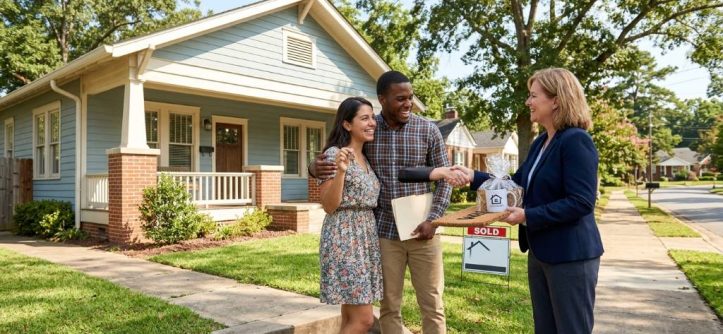
Buying a home in Alabama feels more achievable today because many buyers can access down payment help through state and local programs. According to the National Association of Realtors, nearly 38% of first-time buyers struggle most with saving for a down payment. Meanwhile, the median home price in Alabama remains lower than the national average, which creates more opportunities for affordable ownership. Many families now use assistance programs to reduce upfront costs and move into homes faster. As a result, understanding these programs can save thousands of dollars and make homeownership realistic for more residents.
What Is Down Payment Assistance in Alabama?
Down payment assistance Alabama programs help homebuyers cover upfront housing costs through grants, loans, or deferred payment options. These programs mainly support first-time buyers, moderate-income families, and essential workers. In many cases, buyers can receive help with both down payments and closing costs. Some programs even forgive the assistance after buyers stay in the home for several years. Therefore, these options reduce financial pressure during the home-buying process.
Most Alabama assistance programs come through state housing agencies, local governments, or nonprofit groups. Buyers usually need to meet income limits and credit score requirements before approval. However, many programs accept FHA, VA, USDA, and conventional loans. Lenders often combine assistance with low-interest mortgage products for extra savings. Consequently, buyers gain better financing options with lower cash requirements.
Why Alabama Homebuyers Use Assistance Programs
Many residents use assistance because saving a large down payment takes years. Rising rent prices also make it harder for families to build savings. At the same time, utility costs increase during Alabama’s hot and humid summers. Therefore, buyers prefer to keep more emergency funds instead of using all savings upfront. Assistance programs help maintain financial stability after moving into a home.
These programs also allow buyers to compete in fast-moving housing markets like Birmingham and Huntsville. Sellers often favor buyers who already have financing support prepared. Moreover, assistance programs sometimes reduce monthly mortgage insurance costs. Buyers can enter the market sooner instead of waiting several more years to save money. As a result, families start building equity earlier.

Alabama Housing Finance Authority Programs
The Alabama Housing Finance Authority, often called AHFA, offers several homebuyer assistance options. These programs support low-to-moderate income buyers across the state. Eligible applicants usually work with approved lenders to access the funds. Most programs require buyers to complete a homebuyer education course first. Therefore, applicants learn budgeting and mortgage basics before purchasing.
Step Up Program
The Step Up program helps moderate-income buyers purchase homes with competitive mortgage rates. It includes down payment assistance up to a percentage of the home’s value. Buyers can use the funds toward closing costs and upfront expenses. Additionally, the assistance often comes as a second mortgage with affordable repayment terms. This structure lowers immediate financial strain.
Borrowers must meet minimum credit score standards and income requirements. The property must also fall within purchase price limits set by the program. However, many homes throughout Alabama qualify under these limits. Buyers can combine Step Up assistance with FHA or conventional financing. Consequently, the program remains one of the most popular statewide options.
Affordable Income Subsidy Grant
The Affordable Income Subsidy Grant offers grant money that buyers do not repay under approved conditions. This option mainly serves lower-income households needing additional help. Grants reduce upfront expenses and improve loan approval chances. Furthermore, buyers can use the assistance alongside other mortgage products. This flexibility benefits families with limited savings.
Applicants must meet income thresholds based on county guidelines. Most borrowers also need to occupy the property as their primary residence. The home must pass lender and program inspections before closing. Therefore, buyers should prepare documentation early in the process. Organized paperwork speeds up approval timelines significantly.
Local Down Payment Assistance Programs in Alabama
Several Alabama cities and counties offer additional assistance beyond statewide programs. These local opportunities often target community revitalization and affordable housing growth. Buyers in larger metro areas may access more generous support packages. Furthermore, local grants sometimes work together with AHFA loans. Combining programs can reduce upfront costs dramatically.
Birmingham Assistance Programs
Birmingham provides housing support through city development initiatives and nonprofit partnerships. Some programs offer forgivable loans for eligible first-time buyers. Buyers may receive help for down payments, closing costs, and home repairs. Additionally, many neighborhoods qualify for revitalization incentives. This creates opportunities for affordable ownership near growing business districts.
The city encourages buyers to purchase homes in developing communities. Applicants often need to complete financial counseling before approval. However, the education process helps buyers understand mortgage responsibilities clearly. Many families benefit from long-term financial planning support after purchase. Therefore, these programs provide more than just funding.
Huntsville Homebuyer Programs
Huntsville continues to grow rapidly because of technology and aerospace industries. Local assistance programs help workers keep pace with rising housing demand. Buyers can often receive grants or low-interest secondary loans. Moreover, some programs focus specifically on teachers, healthcare workers, and public service employees. This targeted support strengthens local workforce housing.
The area’s competitive housing market makes assistance especially valuable. Buyers with support funds often secure homes faster than those waiting to save independently. Additionally, newer neighborhoods in Huntsville frequently qualify for assistance incentives. Families can purchase energy-efficient homes that reduce utility costs during Alabama summers. Consequently, buyers enjoy both upfront and long-term savings.
Types of Down Payment Assistance Available
Homebuyers in Alabama can choose from several assistance structures depending on their financial needs. Each option offers different repayment terms and eligibility standards. Understanding these differences helps buyers select the best program. Furthermore, some buyers may qualify for multiple forms of assistance simultaneously. Careful planning improves financial outcomes significantly.
Grants
Grants provide money that buyers typically do not repay if they meet program conditions. These programs usually require owner occupancy for a specific number of years. Grants help reduce upfront financial stress during closing. Additionally, they often work well for buyers with stable monthly income but limited savings. Therefore, grants remain highly desirable.
Many grant programs target first-time buyers or low-income households. However, some also support veterans, teachers, and healthcare workers. Buyers should carefully review residency and occupancy requirements before applying. Missing program conditions could trigger repayment obligations later. Consequently, understanding terms before closing remains essential.
Deferred Payment Loans
Deferred payment loans delay repayment until buyers refinance, sell, or move from the home. This option reduces immediate monthly financial obligations significantly. Many Alabama programs use deferred loans to increase affordability. Furthermore, borrowers often pay little or no interest during the deferral period. This structure helps preserve household cash flow.
These loans work especially well for buyers expecting future income growth. Families can focus on home maintenance and emergency savings first. However, borrowers must remember repayment eventually becomes due under certain conditions. Reading all loan documents carefully prevents unexpected financial surprises later. Therefore, professional lender guidance remains important.
Forgivable Loans
Forgivable loans gradually disappear over time if buyers stay in the property long enough. For example, a five-year occupancy requirement may forgive 20% yearly. Buyers who remain in the home avoid repayment entirely after the forgiveness period ends. Additionally, this structure encourages neighborhood stability and long-term ownership. Communities benefit from stronger resident investment.
Forgivable loans help buyers preserve cash for moving expenses and furniture purchases. However, homeowners who relocate early may owe a remaining balance. Buyers should evaluate future career and family plans before choosing this option. Stability improves the overall value of forgivable assistance programs. Consequently, long-term residents benefit most.
Related:
Choosing the Right Home Builder: A Step-By-Step Guide for First-Time Buyers
Complete Smart Lock Buying Guide for Homeowners
Eligibility Requirements for Alabama Assistance Programs
Most programs require buyers to meet income limits based on household size and location. Income caps ensure assistance reaches families with genuine financial need. Additionally, many programs require applicants to qualify as first-time buyers. In Alabama, first-time status usually means not owning a home during the last three years. Therefore, some repeat buyers may still qualify.
Credit score requirements vary between lenders and assistance programs. Many programs accept scores starting around 620, although stronger scores improve financing terms. Buyers also need stable employment history and manageable debt levels. Furthermore, lenders review bank statements and tax records carefully during approval. Proper preparation increases approval chances considerably.
Property requirements also apply in many cases. The home typically must serve as the buyer’s primary residence after closing. Vacation properties and investment homes usually do not qualify for assistance funds. Some programs also limit purchase prices based on county averages. Consequently, buyers should confirm property eligibility before making offers.
How to Apply for Down Payment Assistance Alabama
The process begins by reviewing available state and local programs carefully. Buyers should compare income limits, loan terms, and occupancy requirements. Next, applicants usually contact approved lenders familiar with Alabama assistance programs. These lenders explain financing options and estimate potential support amounts. Early lender conversations help buyers create realistic budgets.
Most programs require homebuyer education classes before final approval. These classes teach budgeting, mortgage management, and maintenance planning. Additionally, buyers learn how to avoid common financial mistakes after closing. Education courses often take only a few hours online or in person. Therefore, completing them early speeds up the process.
Applicants must gather financial documents before submitting applications. Common requirements include pay stubs, tax returns, bank statements, and identification. Buyers should also monitor credit reports for errors before applying. Organized documentation helps lenders process files faster and avoid delays. Consequently, preparation improves the overall experience substantially.
Tips to Improve Approval Chances
Buyers should start improving credit scores several months before applying. Paying bills on time and reducing credit card balances often raises scores steadily. Additionally, avoiding large new debts improves lender confidence. Even small credit improvements can lower mortgage interest rates significantly. Therefore, financial discipline matters throughout preparation.
Saving additional emergency funds also strengthens applications. Although assistance covers upfront costs, lenders still prefer financially stable borrowers. Buyers should prepare for maintenance expenses, insurance, and moving costs after closing. Furthermore, Alabama’s humid climate can create unexpected repair needs like HVAC maintenance or roof damage. Emergency savings protect homeowners from financial stress.
Working with experienced local lenders offers another major advantage. These professionals understand Alabama-specific program rules and deadlines clearly. They can also identify overlapping programs that maximize available assistance. Moreover, local expertise helps buyers avoid paperwork mistakes during underwriting. Consequently, knowledgeable guidance often speeds up approvals.
Common Mistakes Homebuyers Should Avoid
Some buyers apply for assistance without reviewing all eligibility conditions carefully. Missing income or occupancy requirements can delay approvals unexpectedly. Additionally, changing jobs during underwriting may create financing complications. Buyers should maintain stable finances until after closing whenever possible. Consistency helps lenders finalize loans smoothly.
Others underestimate the total cost of homeownership after moving in. Property taxes, insurance, maintenance, and utilities all affect monthly budgets. Alabama summers often increase cooling expenses substantially in older homes. Therefore, buyers should review estimated utility costs before purchasing properties. Accurate budgeting prevents future financial pressure.
Skipping home inspections creates another costly mistake for first-time buyers. Inspections identify structural, electrical, or roofing issues before closing. Furthermore, repair costs may quickly exceed remaining savings after purchase. Buyers should never rush through inspections simply to close faster. Careful evaluation protects long-term financial health.
Conclusion
Down payment assistance Alabama programs create real opportunities for buyers who want affordable homeownership. State and local programs help reduce upfront costs, improve affordability, and support long-term financial stability. Buyers who research programs early often secure better financing terms and stronger purchasing power. Additionally, professional guidance simplifies the application and approval process significantly. Start exploring Alabama assistance programs today so you can move closer to owning a home with greater confidence and lower financial stress.
FAQs
Who qualifies for down payment assistance in Alabama?
Most programs support first-time buyers who meet income, credit, and residency requirements.
Can I combine Alabama assistance with FHA loans?
Yes, many Alabama programs work with FHA, VA, USDA, and conventional loans.
Do I need perfect credit to qualify?
No, several programs accept moderate credit scores starting around 620.
Are down payment assistance grants taxable?
Most grants are not taxable, but buyers should confirm details with a tax professional.
Can I use assistance for closing costs too?
Yes, many Alabama programs allow funds for both down payments and closing expenses.