The Alabama real estate market continues to attract buyers, investors, and retirees across the United States. Recent reports show that Alabama home prices increased by nearly 4% over the past year, while demand in cities like Birmingham and Huntsville stayed strong. At the same time, mortgage rates still influence affordability for first time buyers. Many experts believe the state will remain one of the most stable Southern housing markets in 2026. This guide explores housing market predictions Alabama buyers and sellers should understand before making important real estate decisions.
Why Alabama’s Housing Market Remains Strong
Alabama continues to benefit from affordable housing, lower property taxes, and steady population growth. Many families relocate from expensive states because Alabama offers more space at lower prices. In addition, expanding job opportunities support long term housing demand across several cities. As a result, the market stays active even during periods of national uncertainty.
Huntsville, Birmingham, and Mobile continue to lead residential development across the state. Tech companies and manufacturing industries create more employment opportunities each year. Therefore, buyers remain interested in both suburban homes and downtown properties. People who understand real estate networking strategies often find better investment opportunities in these growing locations.
Climate also affects Alabama’s real estate activity throughout the year. Warm winters attract retirees from colder Northern states looking for affordable living. However, coastal areas like Mobile experience hurricane concerns that can influence insurance costs. Buyers should always review weather risks before purchasing homes near the Gulf Coast.
Housing Market Predictions Alabama for 2026
Experts expect Alabama home values to continue rising gradually during 2026. Most forecasts predict annual appreciation between 3% and 5% in major metro areas. Although higher mortgage rates may slow some transactions, affordable inventory still attracts many buyers. Consequently, Alabama should remain more stable than many overheated housing markets.
Smaller cities and suburban communities may experience faster growth than crowded urban centers. Buyers now prefer larger homes with office space and outdoor living areas. In addition, remote work opportunities encourage families to move outside expensive city districts. This shift creates new demand across suburban Alabama neighborhoods.
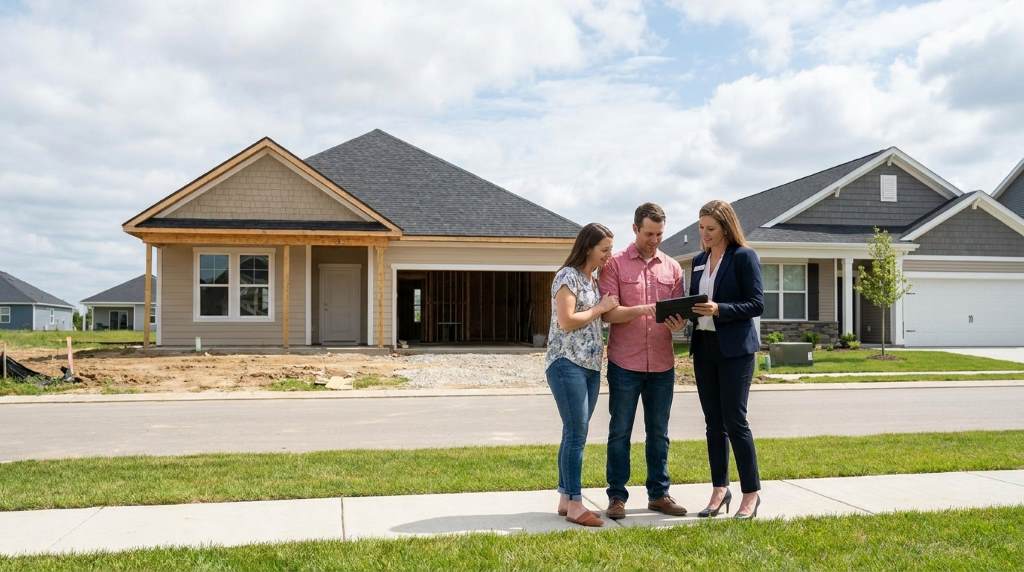
Inventory levels may improve slightly as more homeowners decide to sell properties. During recent years, low inventory pushed prices upward across Alabama communities. However, builders have increased construction activity to meet rising demand. Therefore, buyers could see more options entering the market during late 2026.
Expected Home Price Growth by Region
- Huntsville: Strong growth due to technology and aerospace jobs
- Birmingham: Moderate appreciation with steady urban demand
- Mobile: Stable growth influenced by coastal development
- Montgomery: Balanced pricing with government employment support
- Tuscaloosa: Continued demand from university related housing
Best Alabama Cities for Real Estate Investment
Huntsville remains one of the strongest investment markets in the Southern United States. The city benefits from aerospace expansion, defense jobs, and technology companies. Consequently, rental demand continues increasing among professionals and young families. Investors often target newer suburban developments because they attract long term tenants.
Birmingham also offers strong opportunities for buyers seeking affordable investment properties. Downtown revitalization projects continue bringing restaurants, retail stores, and entertainment venues into the area. Therefore, younger professionals increasingly choose urban neighborhoods close to work and nightlife. Learning how real estate agents earn income can help buyers understand local market competition better.
Mobile provides a different investment environment because of its coastal location and port economy. Vacation rentals and waterfront homes continue attracting investors interested in tourism income. However, buyers must calculate insurance and maintenance costs carefully before purchasing coastal properties. Strong planning reduces long term financial surprises.
Tuscaloosa remains popular because of the University of Alabama and student housing demand. Rental properties near campus often maintain stable occupancy rates throughout the year. In addition, sports tourism creates short term rental opportunities during football season. Investors who manage properties efficiently can generate consistent cash flow in this market.
Factors Influencing Alabama Housing Prices
Mortgage rates remain one of the largest factors affecting Alabama housing activity. When rates rise, buyers face higher monthly payments and reduced affordability. Consequently, some families delay purchases until financing conditions improve. Even so, Alabama still offers lower average home prices compared to many neighboring states.
Job growth also shapes housing market predictions Alabama experts discuss most frequently. Expanding industries attract workers who need homes near employment centers. Therefore, areas with strong economic development often experience faster appreciation and lower vacancy rates. Cities investing in infrastructure usually attract more long term residents as well.
Construction costs continue influencing the pace of new housing development statewide. Builders face higher prices for labor, materials, and transportation services. As a result, some projects move slower than originally expected. However, increased construction activity should gradually improve inventory conditions over time.
Weather conditions play a major role in specific Alabama regions. Coastal storms increase insurance costs for waterfront properties and older homes. Meanwhile, inland cities experience fewer climate related risks and often attract cautious buyers. People interested in real estate business marketing ideas should also understand how climate affects local buyer preferences.
Will Alabama Become a Seller’s or Buyer’s Market?
Most experts believe Alabama will move toward a more balanced market during 2026. Sellers still hold advantages in many desirable neighborhoods with limited inventory. However, buyers now have more negotiating power than they had during peak market years. This shift creates healthier conditions for both sides.
Homes in top school districts and growing suburbs may still receive multiple offers. Buyers searching in Huntsville or Birmingham should prepare financing before entering the market. In contrast, slower rural areas may offer better price negotiations and longer listing periods. Market conditions can vary significantly between counties.
Sellers should focus on property presentation and competitive pricing strategies. Overpriced homes may stay on the market longer because buyers compare more listings today. In addition, updated kitchens and energy efficient features attract stronger offers from modern buyers. Simple improvements often increase overall property appeal.
Tips for Buyers Entering the Alabama Housing Market
Buyers should start by reviewing local market trends before choosing a neighborhood. Understanding average prices and inventory levels helps avoid rushed decisions. In addition, comparing mortgage options can reduce long term financing costs significantly. Preparation gives buyers more confidence during negotiations.
Home inspections remain essential in Alabama because weather and humidity can affect older homes. Buyers should check roofing conditions, drainage systems, and HVAC performance carefully. Coastal homes may also require extra inspections related to storm damage or flooding risks. Detailed inspections protect buyers from unexpected repair expenses.
Working with experienced local real estate professionals often improves the buying process. Local agents understand school districts, zoning rules, and neighborhood trends better than online listings alone. Therefore, buyers can make more informed decisions based on accurate market information. Strong local guidance often saves both time and money.
Tips for Sellers in Alabama
Sellers should focus on curb appeal because first impressions strongly influence buyers. Fresh landscaping, clean exterior paint, and updated lighting improve home presentation quickly. In addition, professional photos attract more online interest from potential buyers. Better marketing usually leads to faster offers.
Pricing strategy also determines how quickly homes sell in competitive markets. Sellers who research comparable listings often avoid unrealistic asking prices. Consequently, properly priced homes typically receive stronger buyer attention. Accurate pricing reduces the risk of long market delays.
Energy efficiency upgrades continue becoming more important for Alabama buyers. Smart thermostats, insulated windows, and modern HVAC systems attract cost conscious families. Moreover, lower utility expenses appeal strongly during Alabama’s hot summer months. These features can increase perceived property value.
Long Term Outlook for Alabama Real Estate
The long term future of Alabama real estate appears positive based on economic and population trends. Affordable living costs continue attracting both retirees and younger professionals to the state. In addition, expanding industries support long term employment growth across major cities. These conditions create stable housing demand over time.
Infrastructure improvements and suburban development may reshape several Alabama communities during the next decade. New schools, highways, and shopping centers often increase nearby property values. Therefore, investors who enter growing areas early may benefit from future appreciation. Careful research remains important before making major financial decisions.
Housing market predictions Alabama experts share consistently point toward steady growth rather than dramatic price spikes. This stability attracts buyers seeking safer long term investments compared to volatile national markets. Furthermore, Alabama’s affordability provides opportunities for first time buyers and retirees alike. The state continues positioning itself as a strong Southern real estate market.
Conclusion
The Alabama housing market offers strong opportunities for buyers, sellers, and investors entering 2026. Affordable home prices, expanding job markets, and growing suburban demand continue supporting steady growth across the state. While mortgage rates and inventory levels may fluctuate, Alabama remains more stable than many national markets. Anyone researching housing market predictions Alabama should focus on long term value, local trends, and smart financial planning before making a move.
Whether you want to purchase your first home or expand your investment portfolio, now is the right time to study Alabama market conditions carefully. Buyers should compare neighborhoods, review financing options, and understand local climate related risks before making decisions. In addition, sellers can benefit from smart pricing and effective property marketing strategies. Explore more insights through real estate marketing resources to stay ahead in today’s competitive market.
FAQs
Will Alabama home prices go down in 2026?
Most experts expect moderate price growth instead of major price declines in Alabama.
Which Alabama city has the hottest housing market?
Huntsville currently leads Alabama with strong job growth and rising housing demand.
Is Alabama a good place for real estate investment?
Yes, Alabama offers affordable properties, stable demand, and strong rental opportunities.
Are mortgage rates affecting Alabama buyers?
Yes, higher mortgage rates impact affordability and slow some buyer activity.
What type of homes sell fastest in Alabama?
Updated suburban homes with energy efficient features usually sell the fastest.