Key Takeaways
- Most experts recommend inspecting your roof at least twice a year.
- Seasonal changes and severe weather often call for additional checks.
- Roof age and material affect how frequently inspections should happen.
- Both DIY checks and professional inspections play a role in maintenance.
- Consistent inspections catch problems early and extend your roof’s lifespan.
Your roof faces constant exposure to sun, rain, wind, and temperature changes. However, many homeowners only think about their roof when a problem becomes obvious. Therefore, understanding proper inspection frequency helps you catch issues early. This guide covers how often you should inspect your roof and why timing matters. You’ll also learn the difference between DIY checks and professional inspections.
General Roof Inspection Guidelines
Most roofing experts recommend inspecting your roof at least twice a year under normal conditions. This standard applies to most residential roofs in moderate climates. Additionally, these routine checks help establish a baseline for your roof’s condition.
Spring and fall inspections make the most sense for typical maintenance schedules. Spring checks reveal any damage that occurred during winter weather. Additionally, fall inspections prepare your roof for the upcoming cold season.
According to the National Roofing Contractors Association, biannual inspections in spring and fall help homeowners catch developing issues before they become serious problems. This guidance forms the foundation of most maintenance recommendations.
Consider these general inspection timing guidelines:
- Inspect your roof each spring to check for winter damage.
- Inspect again each fall to prepare for colder weather ahead.
- Add extra checks after any severe weather event.
- Increase frequency as your roof approaches its expected lifespan.
Homes in milder climates with fewer weather extremes may need slightly less frequent inspection. However, twice yearly remains a safe, reasonable standard for most homeowners. Therefore, this baseline schedule works well unless specific factors suggest otherwise.
Beyond these scheduled checks, staying alert to warning signs between inspections matters too. Therefore, combining routine timing with ongoing awareness offers the most complete protection. This balanced approach catches both gradual wear and sudden damage effectively.
Factors That Increase Inspection Frequency
While twice yearly works as a general rule, certain factors call for more frequent checks. Understanding these situations helps you adjust your inspection schedule appropriately. Additionally, some homes naturally require closer monitoring than others.
Roof age significantly affects how often inspections should occur. Older roofs nearing their expected lifespan develop problems more quickly than newer installations. Therefore, increasing inspection frequency as your roof ages helps catch issues before they escalate.
Climate and geographic location also influence ideal inspection timing. Homes in areas with severe weather, heavy snowfall, or intense sun exposure face faster wear. Additionally, coastal homes dealing with salt air and humidity may need more frequent attention.
Consider more frequent inspections in these situations:
- Roofs older than fifteen years, even without visible damage.
- Homes in climates with frequent severe storms or heavy snow.
- Properties with large trees dropping debris onto the roof regularly.
- Roofs with a history of previous leaks or repairs.
- Homes in coastal areas facing salt air and high humidity.
Trees near your home create additional inspection needs due to falling branches and debris. Additionally, overhanging limbs can scrape shingles and cause gradual damage over time. Therefore, homes with significant tree coverage benefit from more frequent visual checks.
A roof’s repair history also indicates whether closer monitoring makes sense going forward. Therefore, roofs with previous leak issues deserve extra attention, even after repairs are completed. This pattern helps confirm whether the underlying problem was fully resolved.
When to Inspect After Severe Weather
Beyond your regular schedule, certain weather events warrant immediate roof inspection. These checks help catch damage before it worsens through continued exposure. Additionally, prompt action after storms often qualifies for insurance coverage more easily.
Hailstorms frequently cause damage that isn’t immediately obvious from ground level. This impact can crack shingles or dislodge protective granules. Therefore, inspecting your roof after any significant hail event helps catch this hidden damage.
High winds also pose significant risk to roofing materials, even without visible storm damage. Additionally, wind can lift shingle edges or loosen flashing without complete removal. This subtle damage often worsens with continued exposure if left unaddressed.
Inspect your roof promptly after these weather events:
- Hailstorms, even if damage isn’t immediately visible from the ground.
- High wind events, including thunderstorms and windstorms.
- Heavy snowfall or ice accumulation on the roof surface.
- Extended periods of heavy rain or flooding conditions.
- Any storm involving falling tree branches near your home.
Heavy snow accumulation can stress your roof structure, particularly on older or already weakened roofs. Additionally, ice dams forming after snowfall can cause water to back up under shingles. Therefore, checking your roof after significant snow events helps prevent this specific damage.
According to the Insurance Institute for Business and Home Safety, prompt post-storm inspection significantly improves the chances of catching damage before it leads to interior water intrusion. This makes timely inspection valuable for both damage prevention and insurance purposes.
Documenting any storm damage with photos immediately after inspection supports potential insurance claims. Therefore, this practice protects you financially if repairs become necessary. Acting quickly after severe weather offers both practical and financial benefits.
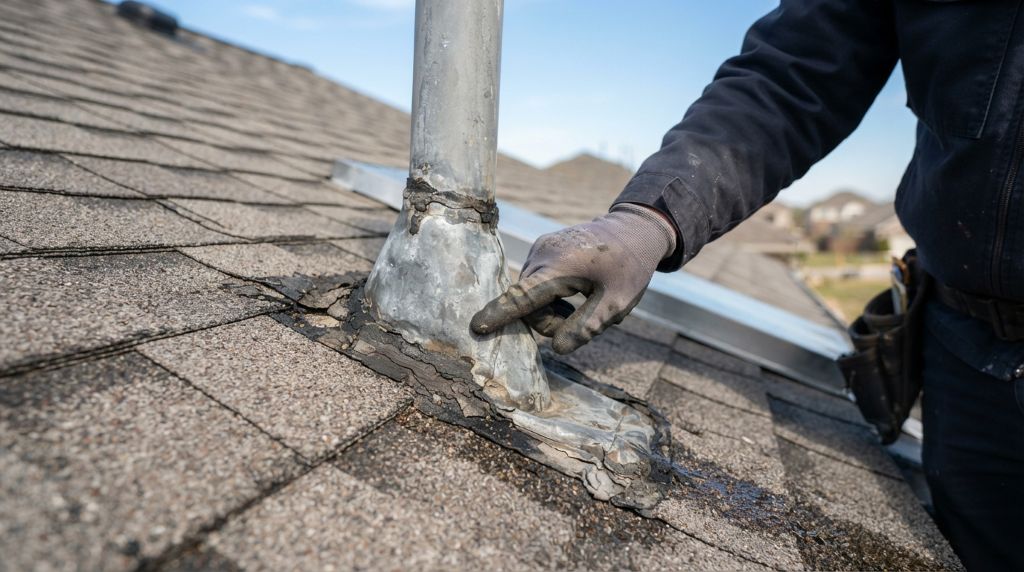
DIY Inspections vs. Professional Inspections
Both homeowner checks and professional inspections play valuable roles in roof maintenance. However, understanding what each type covers helps you use them effectively together. Additionally, knowing your own limitations helps you decide when to call an expert.
DIY inspections work well for regular, basic monitoring between professional visits. These checks help you notice obvious changes and catch problems early. Additionally, homeowners can safely perform many of these checks without climbing onto the roof itself.
Follow these guidelines for effective DIY roof inspections:
- View your roof from the ground using binoculars for a closer look.
- Check your attic for daylight, stains, or damp insulation.
- Inspect gutters for granules or debris after cleaning.
- Look for visible sagging or uneven areas along the roofline.
- Avoid climbing onto the roof unless you have proper safety equipment.
Professional inspections offer a more thorough assessment using specialized knowledge and tools. Roofing contractors can safely access areas homeowners might avoid due to safety concerns. Additionally, professionals recognize subtle signs of damage that untrained eyes often miss.
Professional inspectors typically check flashing, ventilation, and structural elements in detail. Therefore, this comprehensive assessment provides a more complete picture of your roof’s condition. Many contractors also offer written reports documenting their findings for your records.
Combining regular DIY checks with annual or biannual professional inspections offers balanced protection. Therefore, this approach catches obvious issues quickly while ensuring thorough, expert evaluation periodically. Neither approach alone provides the same level of complete coverage.
Signs That Warrant an Immediate Inspection
Beyond scheduled checks, certain signs should prompt an immediate roof inspection regardless of timing. Recognizing these situations helps you respond quickly to developing problems. Additionally, addressing urgent signs promptly often prevents more extensive damage.
Active leaks represent the clearest sign requiring immediate attention. Water stains, dripping, or damp areas indicate an ongoing problem that needs quick resolution. Therefore, don’t wait for your next scheduled inspection if you notice active water intrusion.
Visible structural changes also warrant prompt professional evaluation. Sagging rooflines or interior ceiling sagging suggest potentially serious underlying damage. Additionally, these signs can indicate safety concerns beyond typical maintenance issues.
Schedule an immediate inspection if you notice these signs:
- Active water leaks or fresh water stains on ceilings.
- Visible sagging along the roofline or interior ceiling.
- Significant shingle loss after a storm or high winds.
- Unusual sounds like dripping or creaking during storms.
- Daylight visible through the roof boards in your attic.
Unusual sounds during storms, such as dripping inside walls, often indicate active water infiltration. Therefore, investigating these noises promptly helps identify problems before extensive damage occurs. This quick response often minimizes both repair scope and cost.
Waiting for a scheduled inspection when these urgent signs appear risks allowing damage to worsen significantly. Therefore, treating these signs as immediate priorities protects your home more effectively. Prompt action remains the best response to any of these warning indicators.
Building a Roof Inspection Schedule That Works
Creating a consistent inspection routine helps ensure nothing gets overlooked throughout the year. Therefore, building this habit into your regular home maintenance calendar increases follow-through. Additionally, a written schedule removes the guesswork from timing these important checks.
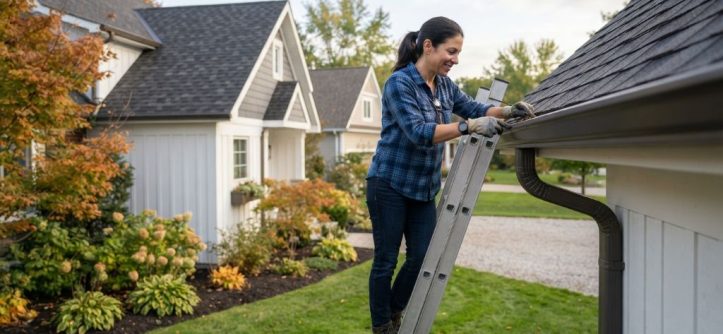
Setting calendar reminders for spring and fall inspections helps maintain consistency year after year. Additionally, pairing these checks with other seasonal tasks, like gutter cleaning, makes them easier to remember. This combined approach streamlines your overall home maintenance routine.
Consider these tips for building an effective roof inspection schedule:
- Mark spring and fall inspection dates on your calendar annually.
- Pair roof checks with gutter cleaning for efficiency.
- Keep a simple log noting any changes or concerns you observe.
- Budget for a professional inspection every one to two years.
- Add reminders to check the roof after major storm alerts.
Keeping a simple log of your inspection findings helps you track changes over time. Therefore, this record becomes valuable when discussing your roof’s history with professionals. Additionally, it helps you notice patterns, like recurring issues in specific areas.
Budgeting for periodic professional inspections, even without obvious problems, supports long-term roof health. Therefore, this proactive investment often costs less than addressing an undetected, worsening issue. A consistent schedule combining DIY awareness and professional expertise offers the most reliable protection.
Conclusion
Regular roof inspections protect your home from costly, extensive damage over time. Twice-yearly checks, combined with post-storm inspections, offer solid baseline protection for most homes. Additionally, understanding issues such as a sagging roof can help you recognize when your roof needs closer attention. Therefore, unraveling the mystery of a sagging roof can provide valuable insight into potential structural problems before they become more serious. Building a consistent inspection routine helps you catch problems while they’re still manageable. Staying proactive with both DIY and professional checks keeps your roof performing reliably for years.
Due for a roof inspection? Contact a licensed roofing contractor today to schedule a thorough professional assessment.
Frequently Asked Questions
How often should a professional inspect my roof?
Schedule a professional roof inspection at least once every one to two years.
Should I inspect my roof myself between professional visits?
Yes, simple DIY checks from the ground help catch obvious changes early.
Do I need to inspect my roof after every storm?
Inspect after significant storms involving hail, high wind, or heavy snow accumulation.
Does roof age affect how often I should inspect it?
Yes, roofs older than fifteen years benefit from more frequent inspection and monitoring.
Is it safe to climb onto my roof for inspection?
Only with proper safety equipment; otherwise, view from the ground or hire a professional.