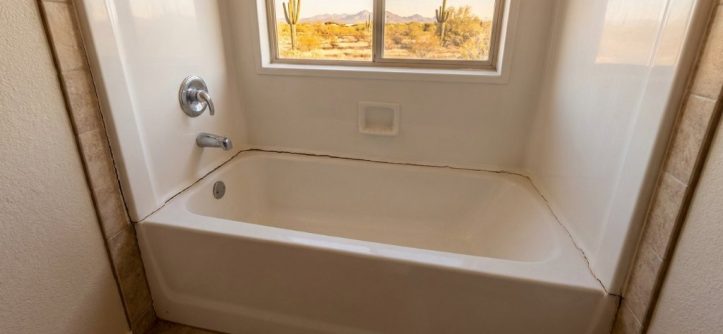
Unsecured bath units shift in Phoenix, AZ, because severe desert heat cycles cause subfloors to expand and contract. In addition, smooth polished tile surfaces lack grip, allowing lightweight acrylic tubs to slide during daily use. Installing floor brackets and adhesive seals anchors the tub, protecting underlying plumbing from damage.
Phoenix homeowners contend with extreme Sonoran Desert climate conditions that stress home structural materials. Local building data reveals that summer attic temperatures regularly exceed 150 degrees Fahrenheit across Maricopa County. Furthermore, temperature swings between day and night cause concrete slabs to expand and contract continuously. These thermal movements break dry caulking beads and allow unsecured bathtubs to slide across smooth tile floors. Homeowners must install dedicated floor anchors to stop bathtub from moving and preserve critical bathroom plumbing lines.
Key Takeaways
- Thermal Cycling: Extreme desert heat swings cause subfloors and plastic tub shells to expand.
- Slick Tile Floors: Glazed porcelain and polished travertine bathroom tiles offer zero friction for tub feet.
- Dynamic Weight Shifts: Stepping into an empty or half-filled tub exerts powerful lateral sliding forces.
- Adhesive Deterioration: Arid desert conditions dry standard silicone caulking, causing perimeter seals to fail quickly.
- Plumbing Fracture Risks: Sliding tubs pull rough drain pipes sideways, creating hidden slab water leaks.
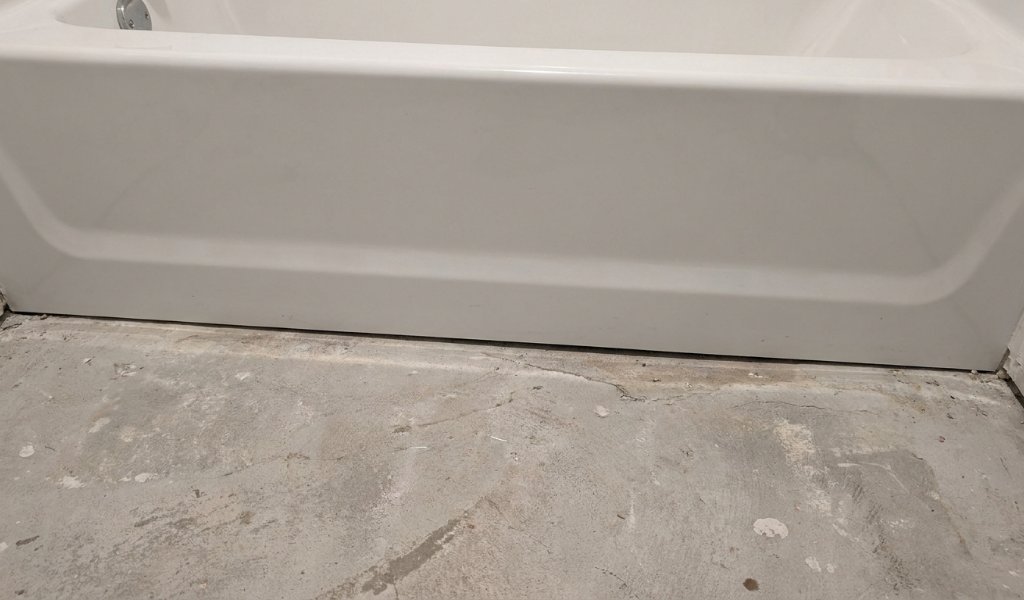
Desert Heat and Concrete Slab Thermal Expansion
Phoenix experiences intense summer heat that warms residential foundations and interior flooring surfaces. Most homes across the Valley of the Sun rest upon post-tension concrete slab foundations. When outside temperatures climb above 115 degrees, concrete foundation slabs absorb substantial thermal energy. Consequently, the concrete expands during hot afternoons and contracts during cooler desert nights.
This perpetual thermal expansion exerts subtle lateral forces against bathroom floor tiles and fixtures. In addition, acrylic and fiberglass tub shells expand at different rates than concrete floors. When two adjacent materials expand at unequal rates, the bond between them weakens rapidly. Over time, standard perimeter caulk joints sheer off, freeing the tub to slide freely.
Home maintenance requires regular structural vigilance across desert climates. Just as property owners determine how often inspect roof surfaces after monsoons, bathrooms need careful seasonal inspection. Neglecting foundation movement allows bathtubs to migrate several inches across slick floor tiles. Unchecked movement eventually tears drainpipes apart beneath concrete slabs, causing costly water damage.
Friction Loss on Polished Desert Tile Surfaces
Modern luxury homes in Scottsdale and Paradise Valley favor polished stone bathroom flooring materials. Polished porcelain, glazed ceramic, and honed travertine create clean, upscale desert bathroom designs. However, these mirror-smooth surfaces offer almost zero friction for freestanding tub feet. When a tub lacks mechanical anchors, rubber foot pads simply glide across glossy tiles.
Furthermore, bathroom humidity creates a microscopic water vapor film across cool tile surfaces. When bathers run hot water, steam condenses on floor areas surrounding the tub base. This condensed moisture acts as an effective lubricant beneath plastic and metal tub feet. Consequently, minimal sideways pressure causes the entire tub unit to slide effortlessly.
Homeowners often place decorative mats near tub bases, but mats fail to solve sliding. Following essential garage tips homeowners trust organizes tools, yet bathrooms require engineered physical anchors. Without rigid anchoring brackets, slipping tubs pose severe fall hazards for children and elderly residents. Securing the tub to the subfloor eliminates sliding risks completely.
In addition, unanchored tubs shift whenever bathers sit on the tub edge to dry off. The bather entire body weight acts as an offset lever against one side rim. This lateral leverage tilts the tub and slides the opposing feet across smooth flooring. Anchoring brackets prevent this tipping motion, ensuring complete bather safety and comfort.
How Acrylic Tub Weight Disparity Promotes Shifting
Modern freestanding soaking tubs are constructed from lightweight reinforced acrylic or composite fiberglass materials. An empty acrylic soaking tub typically weighs between seventy and one hundred twenty pounds. Because the empty unit is lightweight, anyone brushing against the rim can move it. Vacuuming or cleaning nearby floors frequently bumps the tub out of its original position.
Conversely, a full tub weighs over seven hundred pounds with water and an adult occupant. When water drains after bathing, the tub transitions from heavy to lightweight within minutes. This rapid weight fluctuation breaks weak adhesive bonds between the tub base and floor tile. Once the adhesive seal breaks, the tub shifts during every subsequent cleaning session.
Routine household cleaning should never disrupt permanent plumbing fixtures or bathroom installations. While using car interior cleaning vacuum tools keeps vehicles neat, home bathrooms require permanent stability. Mechanical fasteners ensure that vacuum bumps or vigorous scrubbing cannot nudge bathtubs out of alignment. Permanent stability keeps drain pipes centered and stress-free over decades of daily use.
Impact of Shifting Tubs on In-Slab Plumbing Connections
Most Phoenix homes route primary bathroom drain lines directly through solid concrete slab foundations. A rigid PVC trap connects the tub drain tailpiece directly to the sub-slab drainage system. When an unsecured tub shifts across the floor, it drags the tailpiece along horizontally. Because the slab pipe cannot move, enormous mechanical shear stress concentrates on the connection.
Eventually, the threaded slip joint loosens or the plastic drain neck cracks completely. When this failure occurs, bathwater leaks directly into the soil cavity beneath the concrete slab. Sub-slab water leaks erode foundation soil, creating hollow voids that cause foundation slabs to crack. Homeowners face thousands of dollars in foundation underpinning and plumbing repairs from small tub shifts.
In addition, shifting bathtubs place severe bending strain on deck-mounted and floor-mounted water supply lines. If a tub bumps against freestanding supply pipes, the brass risers bend or fracture. High-pressure water then sprays uncontrollably across bathroom walls, ruining drywall, cabinetry, and expensive flooring. Anchoring the tub securely prevents catastrophic plumbing ruptures and protects home structural integrity.
Proven Methods to Secure Freestanding Tubs in Phoenix
Homeowners can secure freestanding tubs using several reliable mechanical and chemical anchoring techniques. The most popular method involves installing concealed floor-mounting brackets supplied by the tub manufacturer. Installers mark bracket holes on the tile, drill through tile using diamond bits, and insert anchors. Stainless steel bolts secure the brackets firmly into the concrete slab or wooden subfloor.
The tub shell then drops down over the brackets and locks in place with set screws. This mechanical connection prevents both horizontal sliding and vertical tipping under heavy offset loads. Furthermore, hidden brackets remain completely invisible from view, maintaining clean, minimalist bathroom aesthetics. Mechanical brackets provide the highest level of stability for heavy acrylic soaking tubs.
Alternatively, contractors use commercial-grade neutral-cure structural silicone adhesive around the entire bottom perimeter. First, clean the tile surface and tub rim thoroughly using pure isopropyl alcohol. Next, apply a continuous half-inch bead of high-modulus silicone adhesive beneath the tub base. Allow seventy-two hours for full curing in dry Phoenix air before using the tub.
Selecting Climate-Resilient Caulking and Adhesives
Standard bathroom caulk formulas fail rapidly in arid Sonoran Desert climates because dry air bakes sealants. Acrylic latex caulks shrink, dry out, and crack within twelve months under intense Phoenix conditions. Homeowners must select 100 percent neutral-cure silicone or hybrid polymer sealants for bathroom fixtures. Pure silicone retains elasticity permanently, accommodating thermal expansion without drying or cracking.
When applying silicone around bathtub perimeters, maintain a clean, uniform joint thickness. Tool the wet caulk bead with a specialized smoothing profile to ensure continuous surface contact. Avoid leaving thin, feathered edges that can peel away during routine bathroom floor mopping. A robust, well-tooled silicone joint creates a watertight seal that resists thermal movement.
Furthermore, look for mold-resistant and mildew-resistant silicone formulations designed specifically for high-moisture bathrooms. Even in desert climates, enclosed tub bases can trap shower moisture and foster mildew growth. Mildew-resistant additives keep caulk lines bright and white without deteriorating over years of exposure. Premium sealants protect both structural stability and visual appeal in luxury bathrooms.
Routine Tub Stability Checks and Maintenance
Phoenix homeowners should establish a routine seasonal inspection to verify bathtub stability and caulk condition. Every six months, inspect the silicone seal around your tub base for tears or gaps. Push firmly against the upper rim with your hands to check for any noticeable movement. If the tub budges even slightly, address the anchoring system before using the tub again.
Next, inspect the drain opening and overflow plate for signs of alignment shifting or loose screws. If the drain flange sits off-center relative to the tub hole, movement has occurred. Tighten loose drain screws and verify that rubber sealing gaskets remain seated properly. Catching alignment issues early prevents hidden water leaks from saturating sub-slab soil.
Finally, inspect visible water supply lines and shutoff valves for signs of physical stress or weeping. Ensure that flexible supply hoses have adequate slack and do not stretch taut against tub movement. Replacing worn caulk and tightening loose brackets keeps your bathtub rock-solid and safe. Diligent maintenance guarantees peace of mind and preserves your beautiful Phoenix home investment.
Conclusion
Unsecured bathtubs shift in Phoenix due to intense desert thermal cycles, slick tiles, and lightweight construction. When bathtubs slide, they exert dangerous shear stress on rigid plumbing pipes set within concrete slabs. By installing mechanical floor brackets and high-grade structural silicone, homeowners eliminate tub movement permanently. Taking preventative action protects expensive plumbing lines and ensures family bathing safety.
Take a few minutes today to check your bathroom tub stability and inspect perimeter caulk seals. If your freestanding tub moves when bumped, contact a licensed local plumbing contractor for prompt anchoring. Investing in professional tub stabilization today avoids catastrophic water damage and expensive slab repairs down the road. Protect your bathroom and secure your bathtub with dependable structural anchors right away.
Frequently Asked Questions
Why does my freestanding acrylic tub move when pushed?
Your acrylic tub moves because it lacks mechanical floor brackets and rests on slippery glazed tile.
Can desert heat in Phoenix cause bathroom bathtubs to shift?
Yes, thermal expansion cycles in concrete foundation slabs break brittle caulk joints and loosen tubs.
Will a shifting bathtub cause hidden water leaks under the slab?
Yes, tub shifting twists and fractures rigid in-slab drain pipes, causing serious subterranean water leaks.
What is the most reliable way to anchor a tub in Phoenix?
The most reliable method combines concealed floor-mounting brackets with high-modulus 100 percent silicone adhesive.
How long does structural silicone caulk need to cure in Phoenix?
Allow at least seventy-two hours for structural silicone caulk to cure fully in dry desert air.