
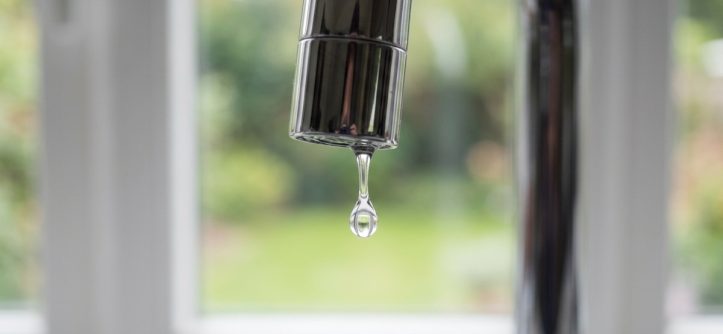
Every house has them. The tap that drips at night. The patch of ceiling that looks a bit off. The window frame you keep meaning to wipe down. Small stuff. Easy to ignore.
And that’s exactly the problem. Because in a house, small problems don’t stay small. They grow quietly, usually somewhere you can’t see, and by the time they demand your attention the repair bill has an extra zero on it.
Here’s a question worth sitting with. How many little faults in your home have you mentally filed under “I’ll sort that eventually”? Three? Five? Now ask yourself what each one is doing while it waits.
This article looks at three of the most common culprits. None of them looks urgent today. All of them can end in four-figure repair bills if left alone.
Dripping Taps
A dripping tap feels like the most harmless fault in the house. Annoying, yes. Expensive? Surely not.
Let’s do the sums. A tap dripping once per second wastes around 15 litres of water a day. That’s over 5,000 litres a year, from one tap. If you’re on a water meter, you’re paying for every drop. Waterwise, the UK water efficiency charity, estimates a steady drip can add a noticeable chunk to an annual metered bill, and that’s before you count the hot water. A dripping hot tap is literally pouring heated water down the drain. You paid to warm it. It never touched your hands.
The fix, in most cases, is a washer or a ceramic cartridge. A washer costs pennies. A cartridge costs £10 to £20. A plumber’s call-out to fit one, if you’d rather not do it yourself, is usually £60 to £100. Small money.
Now for what happens if you wait.
- The drip gets worse. Washers don’t heal. The valve seat wears, the drip becomes a trickle, and a job that needed a washer now needs a new tap. Decent kitchen taps start around £60 and climb fast.
- Limescale sets in. In hard water areas, which covers most of the east and south of England, constant dripping leaves scale deposits that stain sinks and corrode fittings. A stained ceramic basin often can’t be rescued.
- The valve seat erodes. Once that’s damaged, no washer will seal it. Depending on the tap, that can mean replacing the whole unit and paying for the labour twice.
- Outdoor taps freeze. A dripping garden tap in winter is a burst pipe waiting for the first hard frost. Burst pipe repairs commonly run into the hundreds, and that’s if you catch it quickly.
There’s a warning hidden in a drip too. Sometimes the tap isn’t the problem. Rising water pressure or a failing pressure-reducing valve can cause several taps to drip at once. Ignore that signal and the next thing to fail might be a pipe joint inside a wall. If several taps have started dripping around the same time, that’s the point to get a plumber like Royal Flush Plumbing to check the system properly rather than swapping washers one by one.
So the honest question is this. Is there a job in your house with a better ratio of cost-to-fix versus cost-to-ignore? A £2 washer against a flooded kitchen. It’s not close.
Hidden Leaks
Dripping taps at least announce themselves. Hidden leaks are worse precisely because they don’t.
A weeping joint under the bath. A pinhole in a pipe buried in a wall. A slow leak under the kitchen sink, hidden behind the bin and the cleaning products. These can run for months. Sometimes years. And water is patient. It soaks into timber, plasterboard and insulation, doing damage every single day while everything looks fine on the surface.
The numbers here are sobering. Water damage is consistently one of the most common and most expensive home insurance claims in the UK. The Association of British Insurers has reported that insurers pay out millions every single day for domestic escape-of-water claims, with the average claim running into the thousands. Not the cost of fixing the pipe. The cost of fixing everything the water ruined. Floors. Ceilings. Kitchen units. Rewiring, in bad cases.
And here’s the part people don’t expect. If a leak has clearly been left unattended for a long time, some insurers push back on the claim. Gradual damage is treated very differently from sudden damage. Ignoring a problem can literally void your safety net.
The early warning signs are subtle but findable:
- A musty smell in one room that airing never quite shifts
- Paint or wallpaper starting to bubble or lift
- A tide mark or yellowish stain on a ceiling, even a faint one
- Skirting boards or floorboards that feel damp or look swollen
- A water meter that keeps ticking when everything is switched off
- A water bill that’s crept up with no change in habits
That water meter check deserves a special mention because it costs nothing. Turn off every tap and appliance, note the reading, wait an hour without using any water, and check again. If the numbers moved, water is going somewhere it shouldn’t. That one-hour test has caught leaks that would otherwise have run for months.
Under-sink leaks are the classic slow burner. The cupboard is dark, full of bottles, and nobody looks behind them. A joint that weeps one drop every few minutes will rot the cabinet base in a season. Replacing a flexible hose costs a few pounds. Replacing a kitchen base unit and the swollen flooring under it does not.
When should you call a professional rather than watch and wait? If the stain is growing, if the smell is getting stronger, or if the meter test fails, it’s time to bring someone in. A leak detection visit from an experienced local plumber such as Royal Flush Plumbing costs far less than the plasterer, the electrician and the flooring fitter you’ll need six months later.
Dirty Window Frames and Blocked Drainage Contributing to Damp
This one sounds trivial. Grubby window frames and leaves in the gutter. Cosmetic stuff, surely?
Not quite. These two neglected jobs are among the most common causes of damp in UK homes, and damp is where repair bills get genuinely frightening.
Start with the windows. Window frames aren’t just there to hold glass. They’re a weatherproof seal, and that seal needs looking after. Dirt, moss and algae sitting on frames hold moisture against the seals and the surrounding brickwork. Drainage holes in the bottom of uPVC frames, the little slots most homeowners never notice, get clogged with grime. Once they block, rainwater pools inside the frame instead of draining away. It finds the weakest point, and that point is usually inside your wall.
Meanwhile, dirty frames hide problems. Cracked sealant and perished rubber gaskets are easy to spot on a clean frame and invisible on a filthy one. This is one reason professional window cleaning services are worth more than the sparkle. A proper clean keeps frames and drainage slots clear, and it means failing seals get noticed while they’re still an £8 tube of sealant rather than a damp wall. Water tracking through failed sealant into a wall cavity costs rather more.
Then there’s the guttering. Gutters have one job, moving roof water away from your walls. Blocked gutters send that water straight down the brickwork instead. Every downpour, litres of water sheet down the same patch of wall. Bricks are porous. They drink it in.
What follows is penetrating damp, and it escalates like this:
- Stage one. Green staining or dark streaks on the outside wall. Cleaning cost: nothing, it’s a warning sign.
- Stage two. Damp patches appear on the inside wall. Redecorating cost: £100 or so, but pointless until the cause is fixed.
- Stage three. Plaster starts to blow and crumble. Hacking off and replastering a wall: several hundred pounds.
- Stage four. Timber joists and window lintels sitting in wet masonry begin to rot. Structural timber repairs: easily £1,000 to £3,000, sometimes far beyond.
- Stage five. Mould takes hold indoors. Beyond the cost, mould is linked to respiratory problems, and landlords now have legal obligations around it under Awaab’s Law.
Now compare that ladder of costs with the prevention. Gutter clearing for an average house typically costs £40 to £100. Washing frames and checking seals is an afternoon with a bucket, or a modest bill if you’d rather a professional did it properly. Twice a year covers it. Once after autumn leaf fall, once in spring.
Ask yourself this. When it last rained hard, did you look at your gutters? Water pouring over the edge rather than into the downpipe is the cheapest early warning system you’ll ever get. Most people never glance up.
There’s a pattern running through all three of these problems, and it’s worth naming. Water is behind almost every expensive repair in a house. Drips, leaks, blocked drainage. Different symptoms, same culprit. And water damage is never static. Every week you leave it, the repair gets bigger.
The flip side is genuinely encouraging. Nearly all of this is preventable with habits that cost almost nothing. Fix drips within the week. Check under sinks once a month. Do the water meter test twice a year. Look up at your gutters when it rains. Wipe down frames and clear the drainage slots each spring.
An hour of dull maintenance here and there, against thousands in plaster, timber and insurance excesses. That’s the trade. The house is already telling you where the problems are. The only question is whether you’re listening while they’re still cheap.